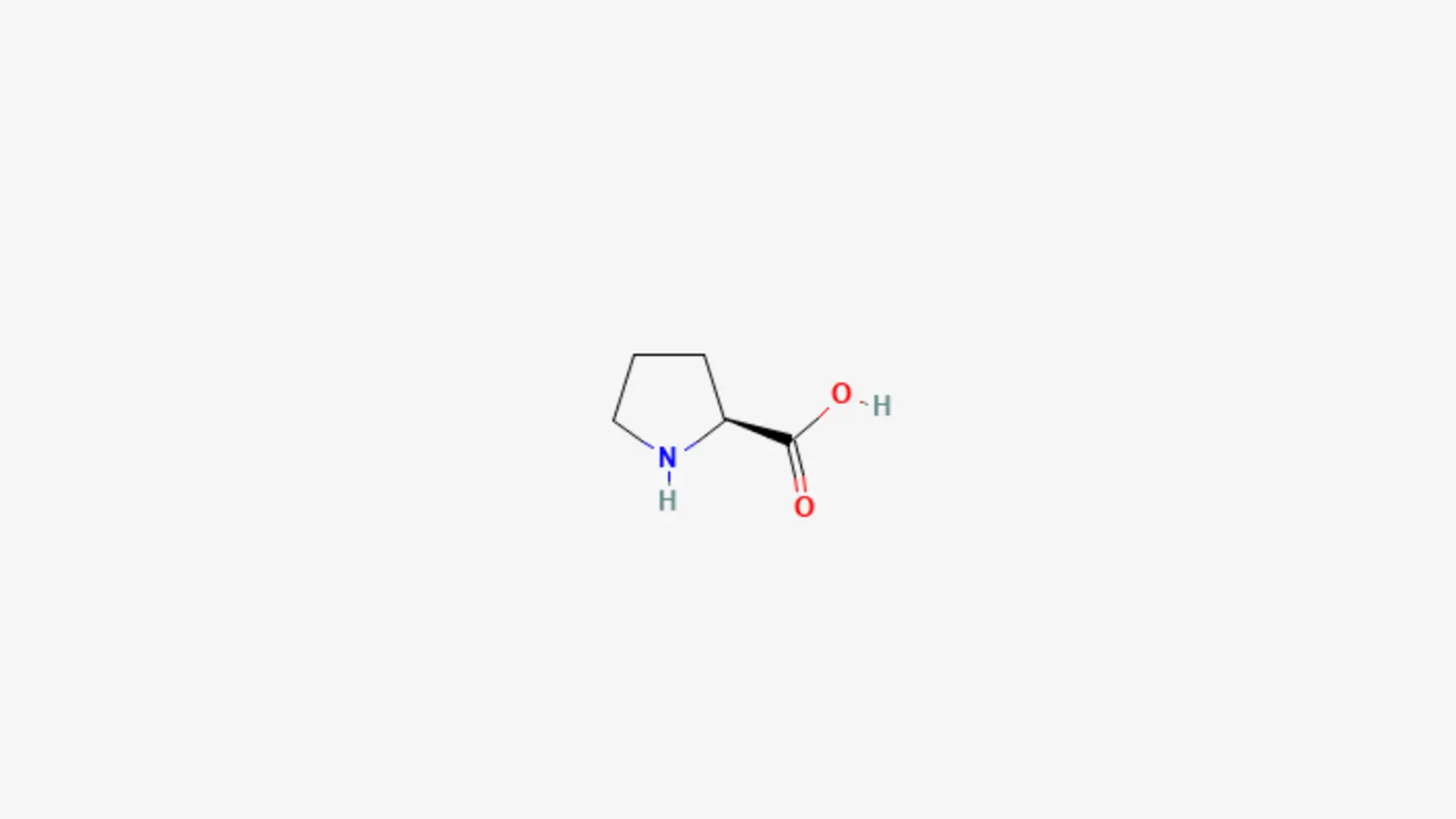
{"id":579,"date":"2026-07-22T10:36:42","date_gmt":"2026-07-22T09:36:42","guid":{"rendered":"https:\/\/ninaveli.com\/knowledge-hub\/?p=579"},"modified":"2026-07-23T13:59:53","modified_gmt":"2026-07-23T12:59:53","slug":"oxygen-resuscitation-how-perflurodecalin-recharges-hypoxic-asphyxiated-dermal-tissue","status":"publish","type":"post","link":"https:\/\/ninaveli.com\/knowledge-hub\/oxygen-resuscitation-how-perflurodecalin-recharges-hypoxic-asphyxiated-dermal-tissue\/","title":{"rendered":"Oxygen Resuscitation: How Perflurodecalin Recharges Hypoxic, Asphyxiated Dermal Tissue"},"content":{"rendered":"\n<p class=\"wp-block-paragraph\">In aesthetic medicine, clinicians frequently treat patients whose skin appears &#8220;asphyxiated&#8221;\u2014dull, grayish, slow-healing, and lacking natural radiance. While superficial exfoliants can remove dead epidermal cells, they fail to resolve the underlying cellular issue: <strong>Dermal Hypoxia<\/strong>.<\/p>\n\n\n\n<p class=\"wp-block-paragraph\">Whether driven by microvascular aging, smoking, environmental pollution, or post-procedure swelling, a lack of dissolved oxygen in the skin starves the mitochondria. Deprived of oxygen, skin cells cannot generate adequate Adenosine Triphosphate (ATP). The natural 28-day cell renewal cycle slows, collagen synthesis drops, and post-treatment recovery drags on.<\/p>\n\n\n\n<p class=\"wp-block-paragraph\">Traditional attempts to oxygenate the skin using hydrogen peroxide or reactive oxygen species (ROS) often backfire by causing oxidative stress and lipid damage. To deliver pure, non-reactive oxygen deep into the dermis without creating free radicals, advanced biotech companies such as Huguel, <a href=\"https:\/\/ninaveli.com\">Ninaveli<\/a>, and Merz Aesthetics are actively reasearching and developing a specialized gas carrier: <strong>Perfluorodecalin<\/strong>.<\/p>\n\n\n\n<h2 class=\"wp-block-heading\">1. The Hypoxic Cascade: How Oxygen Starvation Stifles the Dermis<\/h2>\n\n\n\n<p class=\"wp-block-paragraph\">Every essential function of the cutaneous matrix\u2014from basal stem cell division to fibroblast collagen assembly\u2014is an energy-intensive process that relies on aerobic respiration.<\/p>\n\n\n\n<h3 class=\"wp-block-heading\">The Consequences of Low Oxygen Tension<\/h3>\n\n\n\n<p class=\"wp-block-paragraph\">When the partial pressure of oxygen drops in the dermal microenvironment, several cellular bottlenecks occur:<\/p>\n\n\n\n<ul class=\"wp-block-list\">\n<li><strong>ATP Starvation:<\/strong> Mitochondria switch from efficient aerobic oxidative phosphorylation to inefficient anaerobic glycolysis. Cellular ATP production drops precipitously, leaving keratinocytes and fibroblasts without the energy needed for active transport, structural synthesis, and self-repair.<\/li>\n\n\n\n<li><strong>HIF-1alpha Accumulation:<\/strong> Persistent hypoxia stabilizes <strong>Hypoxia-Inducible Factor 1-alpha (HIF-1alpha)<\/strong>. While HIF-1alpha serves as an acute survival signal, its chronic activation upregulates inflammatory pathways and compromises barrier restoration.<\/li>\n\n\n\n<li><strong>Collagen Processing Arrest:<\/strong> The enzymatic hydroxylation of proline and lysine residues\u2014a critical step in assembling stable collagen triple-helices\u2014requires molecular oxygen as a direct co-substrate. Under hypoxic conditions, fibroblasts secrete unstable, weak pro-collagen chains.<\/li>\n<\/ul>\n\n\n\n<h2 class=\"wp-block-heading\">2. The Liquid Gas Carrier: How Perfluorodecalin Works<\/h2>\n\n\n\n<p class=\"wp-block-paragraph\"><strong>Perfluorodecalin (PFD)<\/strong> is a dense, inert fluorocarbon liquid (C<sub>10<\/sub>F<sub>18<\/sub>) characterized by an extraordinary gas-dissolving capacity.<\/p>\n\n\n\n<p class=\"wp-block-paragraph\">Unlike water or plasma, which dissolve minimal amounts of oxygen, Perfluorodecalin can dissolve up to <strong>40% to 49% of its total volume in gaseous oxygen<\/strong>\u2014over <strong>40 times more than water<\/strong>.<sup><\/sup><\/p>\n\n\n\n<h3 class=\"wp-block-heading\">A. Non-Reactive Oxygen Release<\/h3>\n\n\n\n<p class=\"wp-block-paragraph\">Oxygen does not chemically bond to Perfluorodecalin; instead, it physically dissolves within the spaces between the bulky fluorocarbon molecules.<\/p>\n\n\n\n<p class=\"wp-block-paragraph\">When PFD is applied topically or delivered via micro-channeling, it releases its dissolved oxygen down a simple concentration gradient: <strong>moving from the oxygen-rich PFD matrix into the oxygen-depleted hypoxic tissue<\/strong>. Because the oxygen is delivered in its pure molecular form, it generates zero free radicals or ROS.<\/p>\n\n\n\n<h3 class=\"wp-block-heading\">B. Dual-Gas Exchange (The Carbon Dioxide Flush)<\/h3>\n\n\n\n<p class=\"wp-block-paragraph\">Perfluorodecalin is a dual-gas exchanger. While releasing molecular oxygen into hypoxic cells, PFD simultaneously absorbs excess carbon dioxide waste that has accumulated in asphyxiated tissue.<\/p>\n\n\n\n<p class=\"wp-block-paragraph\">This rapid gas exchange clears cellular waste, restores healthy tissue pH, and revives natural skin luminosity.<\/p>\n\n\n\n<h3 class=\"wp-block-heading\">C. Enhanced Transdermal Penetration<\/h3>\n\n\n\n<p class=\"wp-block-paragraph\">Due to its low surface tension and lipophobic\/hydrophobic balance, Perfluorodecalin easily slips through intercellular lipids.<sup><\/sup> It acts as a passive delivery vehicle, transporting molecular oxygen deep into the papillary dermis to reach target fibroblasts and basal keratinocytes.<\/p>\n\n\n\n<h2 class=\"wp-block-heading\">3. Clinical Validation: What the Data Shows<\/h2>\n\n\n\n<h3 class=\"wp-block-heading\">1. Reversal of Tissue Hypoxia and Accelerated Wound Healing<\/h3>\n\n\n\n<p class=\"wp-block-paragraph\">In an ex vivo and in vivo clinical study published in <em>PMC<\/em>, <strong>&#8220;Perfluorodecalin-based oxygenated emulsion as a topical treatment for chemical and thermal tissue injury,&#8221;<\/strong> researchers evaluated the tissue-repair capacity of topically applied PFD emulsions.<\/p>\n\n\n\n<p class=\"wp-block-paragraph\">The objective data confirmed that <strong>topical Perfluorodecalin rapidly increased tissue partial oxygen pressure by over 300%<\/strong>.<\/p>\n\n\n\n<p class=\"wp-block-paragraph\">This surge in available oxygen significantly reduced tissue hypoxia, suppressed inflammatory leukocyte infiltration, and accelerated re-epithelialization and tissue repair compared to non-oxygenated controls.<\/p>\n\n\n\n<h3 class=\"wp-block-heading\">2. High Gas Solubility and Biocompatibility<\/h3>\n\n\n\n<p class=\"wp-block-paragraph\">According to a scientific review published in <em>PMC<\/em>, <strong>&#8220;Perfluorocarbon-based oxygen carriers: from physics to physiology,&#8221;<\/strong> perfluorocarbons demonstrate an unmatched safety profile and gas-dissolving capacity.<sup><\/sup><\/p>\n\n\n\n<p class=\"wp-block-paragraph\">The literature confirmed that <strong>Perfluorodecalin dissolves up to 403 mL of oxygen per liter of liquid<\/strong>, acting as a synthetic oxygen reservoir. The researchers noted that PFD&#8217;s biological inertness allows it to deliver therapeutic oxygen directly to hypoxic microenvironments without causing cell toxicity or tissue irritation.<\/p>\n\n\n\n<h2 class=\"wp-block-heading\">4. Practice Summary<\/h2>\n\n\n\n<p class=\"wp-block-paragraph\">Treating asphyxiated, slow-healing skin requires resolving tissue hypoxia at its root. Perfluorodecalin provides a safe, scientifically proven method for delivering pure molecular oxygen deep into the dermis without triggering oxidative stress. By restoring mitochondrial ATP production, facilitating collagen assembly, and flushing accumulated carbon dioxide, PFD-based protocols re-energize tired cells and restore a healthy, radiant complexion.<\/p>\n\n\n\n<h3 class=\"wp-block-heading\">Study Citations &amp; References<\/h3>\n\n\n\n<ul class=\"wp-block-list\">\n<li><strong>Study 1 (Topical PFD Oxygenation &amp; Tissue Repair):<\/strong> <em>Perfluorodecalin-based oxygenated emulsion as a topical treatment for chemical burn to the eye.<\/em>URL: <a href=\"https:\/\/pmc.ncbi.nlm.nih.gov\/articles\/PMC9712419\/\" target=\"_blank\" rel=\"noreferrer noopener\">https:\/\/pmc.ncbi.nlm.nih.gov\/articles\/PMC9712419\/<\/a><\/li>\n\n\n\n<li><strong>Study 2 (PFC Physics, Gas Capacity &amp; Physiology):<\/strong> <em>Perfluorocarbon-based oxygen carriers: from physics to physiology.<\/em>URL: <a href=\"https:\/\/pmc.ncbi.nlm.nih.gov\/articles\/PMC7607370\/\" target=\"_blank\" rel=\"noreferrer noopener\">https:\/\/pmc.ncbi.nlm.nih.gov\/articles\/PMC7607370\/<\/a><\/li>\n\n\n\n<li><strong>Study 3 (Oxygen Delivery in Hypoxic Skin Management):<\/strong> <em>Oxygenated Wound Dressings for Hypoxia Mitigation and Enhanced Wound Healing.<\/em>URL: <a href=\"https:\/\/pmc.ncbi.nlm.nih.gov\/articles\/PMC10324602\/\" target=\"_blank\" rel=\"noreferrer noopener\">https:\/\/pmc.ncbi.nlm.nih.gov\/articles\/PMC10324602\/<\/a><\/li>\n<\/ul>\n\n\n\n<h2 class=\"wp-block-heading\">Frequently Asked Questions<\/h2>\n\n\n<div class=\"wp-block-uagb-faq uagb-faq__outer-wrap uagb-block-f7bb397d uagb-faq-icon-row uagb-faq-layout-accordion uagb-faq-expand-first-true uagb-faq-inactive-other-true uagb-faq__wrap uagb-buttons-layout-wrap uagb-faq-equal-height     \" data-faqtoggle=\"true\" role=\"tablist\"><div class=\"wp-block-uagb-faq-child uagb-faq-child__outer-wrap uagb-faq-item uagb-block-beb6c2f5 \" role=\"tab\" tabindex=\"0\"><div class=\"uagb-faq-questions-button uagb-faq-questions\">\t\t\t<span class=\"uagb-icon uagb-faq-icon-wrap\">\n\t\t\t\t\t\t\t\t<svg xmlns=\"https:\/\/www.w3.org\/2000\/svg\" viewBox= \"0 0 448 512\"><path d=\"M432 256c0 17.69-14.33 32.01-32 32.01H256v144c0 17.69-14.33 31.99-32 31.99s-32-14.3-32-31.99v-144H48c-17.67 0-32-14.32-32-32.01s14.33-31.99 32-31.99H192v-144c0-17.69 14.33-32.01 32-32.01s32 14.32 32 32.01v144h144C417.7 224 432 238.3 432 256z\"><\/path><\/svg>\n\t\t\t\t\t\t\t<\/span>\n\t\t\t\t\t\t<span class=\"uagb-icon-active uagb-faq-icon-wrap\">\n\t\t\t\t\t\t\t\t<svg xmlns=\"https:\/\/www.w3.org\/2000\/svg\" viewBox= \"0 0 448 512\"><path d=\"M400 288h-352c-17.69 0-32-14.32-32-32.01s14.31-31.99 32-31.99h352c17.69 0 32 14.3 32 31.99S417.7 288 400 288z\"><\/path><\/svg>\n\t\t\t\t\t\t\t<\/span>\n\t\t\t<span class=\"uagb-question\">How does Perfluorodecalin differ from traditional &#8220;oxygenating&#8221; bubble masks?<\/span><\/div><div class=\"uagb-faq-content\"><p>Traditional &#8220;oxygenating&#8221; bubble masks rely on chemical reactions (often using hydrogenated peroxides or foaming surfactants) that release gas bubbles on the skin surface. These bubbles create a tingling sensation, but the gas rarely penetrates the stratum corneum and can cause free-radical oxidative damage.<br><br><strong>Perfluorodecalin<\/strong> is a bio-inert fluorocarbon liquid that physically holds dissolved molecular oxygen within its structure. It penetrates the skin barrier to release pure, non-reactive oxygen deep into hypoxic dermal tissue without creating free radicals or causing surface irritation.<\/p><\/div><\/div><div class=\"wp-block-uagb-faq-child uagb-faq-child__outer-wrap uagb-faq-item uagb-block-ac2ed2d0 \" role=\"tab\" tabindex=\"0\"><div class=\"uagb-faq-questions-button uagb-faq-questions\">\t\t\t<span class=\"uagb-icon uagb-faq-icon-wrap\">\n\t\t\t\t\t\t\t\t<svg xmlns=\"https:\/\/www.w3.org\/2000\/svg\" viewBox= \"0 0 448 512\"><path d=\"M432 256c0 17.69-14.33 32.01-32 32.01H256v144c0 17.69-14.33 31.99-32 31.99s-32-14.3-32-31.99v-144H48c-17.67 0-32-14.32-32-32.01s14.33-31.99 32-31.99H192v-144c0-17.69 14.33-32.01 32-32.01s32 14.32 32 32.01v144h144C417.7 224 432 238.3 432 256z\"><\/path><\/svg>\n\t\t\t\t\t\t\t<\/span>\n\t\t\t\t\t\t<span class=\"uagb-icon-active uagb-faq-icon-wrap\">\n\t\t\t\t\t\t\t\t<svg xmlns=\"https:\/\/www.w3.org\/2000\/svg\" viewBox= \"0 0 448 512\"><path d=\"M400 288h-352c-17.69 0-32-14.32-32-32.01s14.31-31.99 32-31.99h352c17.69 0 32 14.3 32 31.99S417.7 288 400 288z\"><\/path><\/svg>\n\t\t\t\t\t\t\t<\/span>\n\t\t\t<span class=\"uagb-question\">Is Perfluorodecalin suitable for post-procedure recovery after microneedling or laser treatments?<\/span><\/div><div class=\"uagb-faq-content\"><p>Yes, PFD is an exceptional post-procedure co-therapy. Following microneedling, fractional lasers, or chemical peels, localized tissue swelling can temporarily compress microcapillaries, creating a hypoxic environment that slows healing.<br><br>Applying a sterile Perfluorodecalin formulation immediately post-treatment delivers an instant supply of molecular oxygen through open micro-channels. This restores cellular ATP production, calms post-procedure redness, and accelerates tissue re-epithelialization.<\/p><\/div><\/div><div class=\"wp-block-uagb-faq-child uagb-faq-child__outer-wrap uagb-faq-item uagb-block-2a2e6a76 \" role=\"tab\" tabindex=\"0\"><div class=\"uagb-faq-questions-button uagb-faq-questions\">\t\t\t<span class=\"uagb-icon uagb-faq-icon-wrap\">\n\t\t\t\t\t\t\t\t<svg xmlns=\"https:\/\/www.w3.org\/2000\/svg\" viewBox= \"0 0 448 512\"><path d=\"M432 256c0 17.69-14.33 32.01-32 32.01H256v144c0 17.69-14.33 31.99-32 31.99s-32-14.3-32-31.99v-144H48c-17.67 0-32-14.32-32-32.01s14.33-31.99 32-31.99H192v-144c0-17.69 14.33-32.01 32-32.01s32 14.32 32 32.01v144h144C417.7 224 432 238.3 432 256z\"><\/path><\/svg>\n\t\t\t\t\t\t\t<\/span>\n\t\t\t\t\t\t<span class=\"uagb-icon-active uagb-faq-icon-wrap\">\n\t\t\t\t\t\t\t\t<svg xmlns=\"https:\/\/www.w3.org\/2000\/svg\" viewBox= \"0 0 448 512\"><path d=\"M400 288h-352c-17.69 0-32-14.32-32-32.01s14.31-31.99 32-31.99h352c17.69 0 32 14.3 32 31.99S417.7 288 400 288z\"><\/path><\/svg>\n\t\t\t\t\t\t\t<\/span>\n\t\t\t<span class=\"uagb-question\">How quickly do patients notice improvements in skin brightness and vitality?<\/span><\/div><div class=\"uagb-faq-content\"><p>Because Perfluorodecalin releases its dissolved oxygen rapidly down a partial pressure gradient, initial visual improvements are often visible <strong>within minutes to hours<\/strong>.<br><br>Patients typically notice an immediate &#8220;awake&#8221; radiance, a reduction in dull gray undertones, and improved skin plumpness as cells absorb oxygen and flush out accumulated carbon dioxide. Sustained structural improvements\u2014such as accelerated cell turnover and enhanced collagen density\u2014develop over a standard <strong>28-day cell renewal cycle<\/strong>.<\/p><\/div><\/div><\/div>\n\n\n<p class=\"wp-block-paragraph\"><strong><em>Disclaimer:<\/em><\/strong><em>&nbsp;The content provided in the Ninaveli Knowledge Hub is for informational and educational purposes only. This content is not intended to be a substitute for professional medical advice, diagnosis, or treatment and should not be used as such. Always seek the advice of a qualified healthcare provider or dermatologist with any questions you may have regarding a medical condition or before starting any new skincare regimen. Ninaveli does not guarantee the accuracy, completeness, or timeliness of the information provided and assumes no liability for any actions taken based on this content.<\/em><\/p>\n","protected":false},"excerpt":{"rendered":"<p>In aesthetic medicine, clinicians frequently treat patients whose skin appears &#8220;asphyxiated&#8221;\u2014dull, grayish, slow-healing, and lacking natural radiance. While superficial exfoliants can remove dead epidermal cells, they fail to resolve the underlying cellular issue: Dermal Hypoxia. Whether driven by microvascular aging, smoking, environmental pollution, or post-procedure swelling, a lack of dissolved oxygen in the skin starves [&hellip;]<\/p>\n","protected":false},"author":1,"featured_media":580,"comment_status":"closed","ping_status":"","sticky":false,"template":"","format":"standard","meta":{"_uag_custom_page_level_css":"","_swt_meta_header_display":false,"_swt_meta_footer_display":false,"_swt_meta_site_title_display":false,"_swt_meta_sticky_header":false,"_swt_meta_transparent_header":false,"footnotes":""},"categories":[7],"tags":[],"class_list":["post-579","post","type-post","status-publish","format-standard","has-post-thumbnail","hentry","category-articles"],"uagb_featured_image_src":{"full":["https:\/\/ninaveli.com\/knowledge-hub\/wp-content\/uploads\/2026\/07\/oxygen.avif",626,626,false],"thumbnail":["https:\/\/ninaveli.com\/knowledge-hub\/wp-content\/uploads\/2026\/07\/oxygen.avif",150,150,false],"medium":["https:\/\/ninaveli.com\/knowledge-hub\/wp-content\/uploads\/2026\/07\/oxygen.avif",300,300,false],"medium_large":["https:\/\/ninaveli.com\/knowledge-hub\/wp-content\/uploads\/2026\/07\/oxygen.avif",626,626,false],"large":["https:\/\/ninaveli.com\/knowledge-hub\/wp-content\/uploads\/2026\/07\/oxygen.avif",626,626,false],"1536x1536":["https:\/\/ninaveli.com\/knowledge-hub\/wp-content\/uploads\/2026\/07\/oxygen.avif",626,626,false],"2048x2048":["https:\/\/ninaveli.com\/knowledge-hub\/wp-content\/uploads\/2026\/07\/oxygen.avif",626,626,false]},"uagb_author_info":{"display_name":"Ninaveli","author_link":"https:\/\/ninaveli.com\/knowledge-hub\/author\/daniel\/"},"uagb_comment_info":0,"uagb_excerpt":"In aesthetic medicine, clinicians frequently treat patients whose skin appears &#8220;asphyxiated&#8221;\u2014dull, grayish, slow-healing, and lacking natural radiance. While superficial exfoliants can remove dead epidermal cells, they fail to resolve the underlying cellular issue: Dermal Hypoxia. Whether driven by microvascular aging, smoking, environmental pollution, or post-procedure swelling, a lack of dissolved oxygen in the skin starves&hellip;","_links":{"self":[{"href":"https:\/\/ninaveli.com\/knowledge-hub\/wp-json\/wp\/v2\/posts\/579","targetHints":{"allow":["GET"]}}],"collection":[{"href":"https:\/\/ninaveli.com\/knowledge-hub\/wp-json\/wp\/v2\/posts"}],"about":[{"href":"https:\/\/ninaveli.com\/knowledge-hub\/wp-json\/wp\/v2\/types\/post"}],"author":[{"embeddable":true,"href":"https:\/\/ninaveli.com\/knowledge-hub\/wp-json\/wp\/v2\/users\/1"}],"replies":[{"embeddable":true,"href":"https:\/\/ninaveli.com\/knowledge-hub\/wp-json\/wp\/v2\/comments?post=579"}],"version-history":[{"count":3,"href":"https:\/\/ninaveli.com\/knowledge-hub\/wp-json\/wp\/v2\/posts\/579\/revisions"}],"predecessor-version":[{"id":694,"href":"https:\/\/ninaveli.com\/knowledge-hub\/wp-json\/wp\/v2\/posts\/579\/revisions\/694"}],"wp:featuredmedia":[{"embeddable":true,"href":"https:\/\/ninaveli.com\/knowledge-hub\/wp-json\/wp\/v2\/media\/580"}],"wp:attachment":[{"href":"https:\/\/ninaveli.com\/knowledge-hub\/wp-json\/wp\/v2\/media?parent=579"}],"wp:term":[{"taxonomy":"category","embeddable":true,"href":"https:\/\/ninaveli.com\/knowledge-hub\/wp-json\/wp\/v2\/categories?post=579"},{"taxonomy":"post_tag","embeddable":true,"href":"https:\/\/ninaveli.com\/knowledge-hub\/wp-json\/wp\/v2\/tags?post=579"}],"curies":[{"name":"wp","href":"https:\/\/api.w.org\/{rel}","templated":true}]}}