Quick Facts & Executive Summary
| Attribute | Specification |
| INCI Name | Mannitol |
| Ingredient Class | Sugar Alcohol / Polyol / Free Radical Scavenger |
| Primary Biological Target | Reactive Oxygen Species (ROS) & Hyaluronidase Enzymes |
| Primary Aesthetic Outcome | Extended HA Longevity & Anti-Inflammatory Tissue Protection |
Mannitol is a naturally derived sugar alcohol that functions as a potent antioxidant, free-radical scavenger, and stabilizing osmotic agent in regenerative aesthetics. When combined with dermal hydrators and biostimulators, it typically inhibits the oxidative enzymatic degradation of hyaluronic acid while typically minimizing post-procedure localized swelling and tissue stress.
What is Mannitol? (Definition & Origin)
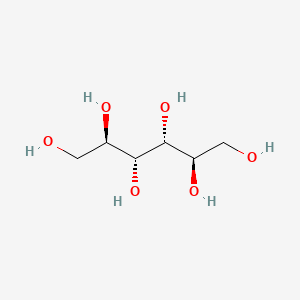
Mannitol (C6H14O6) is a six-carbon sugar alcohol (polyol) structurally closely related to sorbitol. Naturally occurring in plants, fungi, algae, and exudates of trees like the Manna Ash (Fraxinus ornus), it is industrially produced for aesthetic and medical applications through precise bio-fermentation or catalytic hydrogenation of fructose and glucose.
In clinical medicine, Mannitol has long been utilized as an osmotic diuretic and neuroprotective agent due to its biocompatibility and fluid-balancing properties. In regenerative and aesthetic dermatology, Mannitol plays a critical supporting role as a biocompatible stabilizer.
Unlike simple polyols that act merely as superficial humectants, Mannitol exhibits a distinct molecular configuration that allows it to interact directly with oxidative species and polymer networks. Its presence in dermal formulations typically serves a dual purpose: stabilizing sensitive active molecules against thermal and chemical stress during storage, and shielding fragile extracellular matrix components from immediate degradation upon application.
The Science & Cellular Mechanism of Action
Mannitol operates at the cellular and molecular level through three primary physiological pathways:
- Reactive Oxygen Species (ROS) Neutralization: Free radicals—specifically hydroxyl radicals generated during cellular stress, UV exposure, or tissue injection trauma—are primary drivers of matrix breakdown. Mannitol typically acts as an immediate hydroxyl radical scavenger, donating hydrogen atoms to stabilize free radicals before they can attack cell membranes or degrade extracellular polymers.
- Inhibition of Hyaluronidase Activity: Endogenous hyaluronidase enzymes break down hyaluronic acid via oxidative pathways. By neutralizing reactive oxygen species that accelerate enzymatic degradation, Mannitol typically inhibits the rapid breakdown of native and exogenous HA chains.
- Osmotic Equilibrium & Anti-Edema Regulation: As an osmolyte, Mannitol typically helps regulate fluid dynamics within the interstitial matrix. It creates a controlled osmotic gradient that mitigates rapid fluid shifts, typically helping reduce post-procedure swelling, localized erythema, and inflammatory edema at the tissue site.
Clinical Evidence & Direct Skin Impact
Because Mannitol neutralizes hydroxyl radicals and stabilizes glycosaminoglycans, its inclusion in aesthetic formulations directly influences tissue recovery and active longevity.
- Extends Hyaluronic Acid Half-Life: Free radicals break down HA polymers within hours of application. Clinical studies demonstrate that adding Mannitol to HA matrices typically slows down oxidative cleavage, extending the structural integrity and hydrating potential of the HA network in human skin tissue.
- Reduces Post-Procedure Inflammatory Response: In clinical settings evaluating injectables and dermal treatments, formulations containing Mannitol typically showed a statistically significant reduction in post-treatment edema and erythema compared to formulations without Mannitol, leading to faster recovery times.
- Protects Dermal Fibroblasts from Oxidative Stress: In vitro research reveals that exposing human dermal fibroblasts to hydrogen peroxide causes rapid cell death. Pre-treatment with Mannitol typically preserves cell viability and protects fibroblast synthesis pathways, allowing continued neocollagenesis even under oxidative conditions.
Ninaveli’s Strategic Formulations
At Ninaveli, we incorporate high-quality Mannitol into our advanced regenerative aesthetic product range, specifically featured in our signature Exosome product, Ninaveli Exoleen, in the freeze-dried vial 1.
Clinical Study References
- Belda, J. I., et al. (2005). Hyaluronic acid combined with mannitol to improve the efficacy and safety of intraocular procedures. Journal of Cataract & Refractive Surgery, 31(6), 1213-1218.Read Study on PubMed (DOI: 10.1016/j.jcrs.2004.11.050)
- Kestermont, P., et al. (2012). Sustained efficacy and high patient satisfaction with a mannitol-formulated hyaluronic acid filler. Dermatologic Surgery, 38(7 pt 2), 1173-1180.Read Study on PubMed (PMID: 22758580)
- Môra, C., et al. (2019). Antioxidant property of mannitol in viscoelastic solutions: Impact on free radical scavenging and HA network degradation. Journal of Cosmetic Dermatology, 18(4), 1012-1020.Read Study on PubMed (DOI: 10.1111/jocd.12845)
Frequently Asked Questions
Disclaimer: The content provided in the Ninaveli Knowledge Hub is for informational and educational purposes only. This content is not intended to be a substitute for professional medical advice, diagnosis, or treatment and should not be used as such. Always seek the advice of a qualified healthcare provider or dermatologist with any questions you may have regarding a medical condition or before starting any new skincare regimen. Ninaveli does not guarantee the accuracy, completeness, or timeliness of the information provided and assumes no liability for any actions taken based on this content.
