한국어
 Русский
 العربية
 עברית
 Français
 Deutsch
 Español
Beyond Hydroquinoe: How Cysteamine HCl Masterminds Safe, Long-Term Pigment Correction
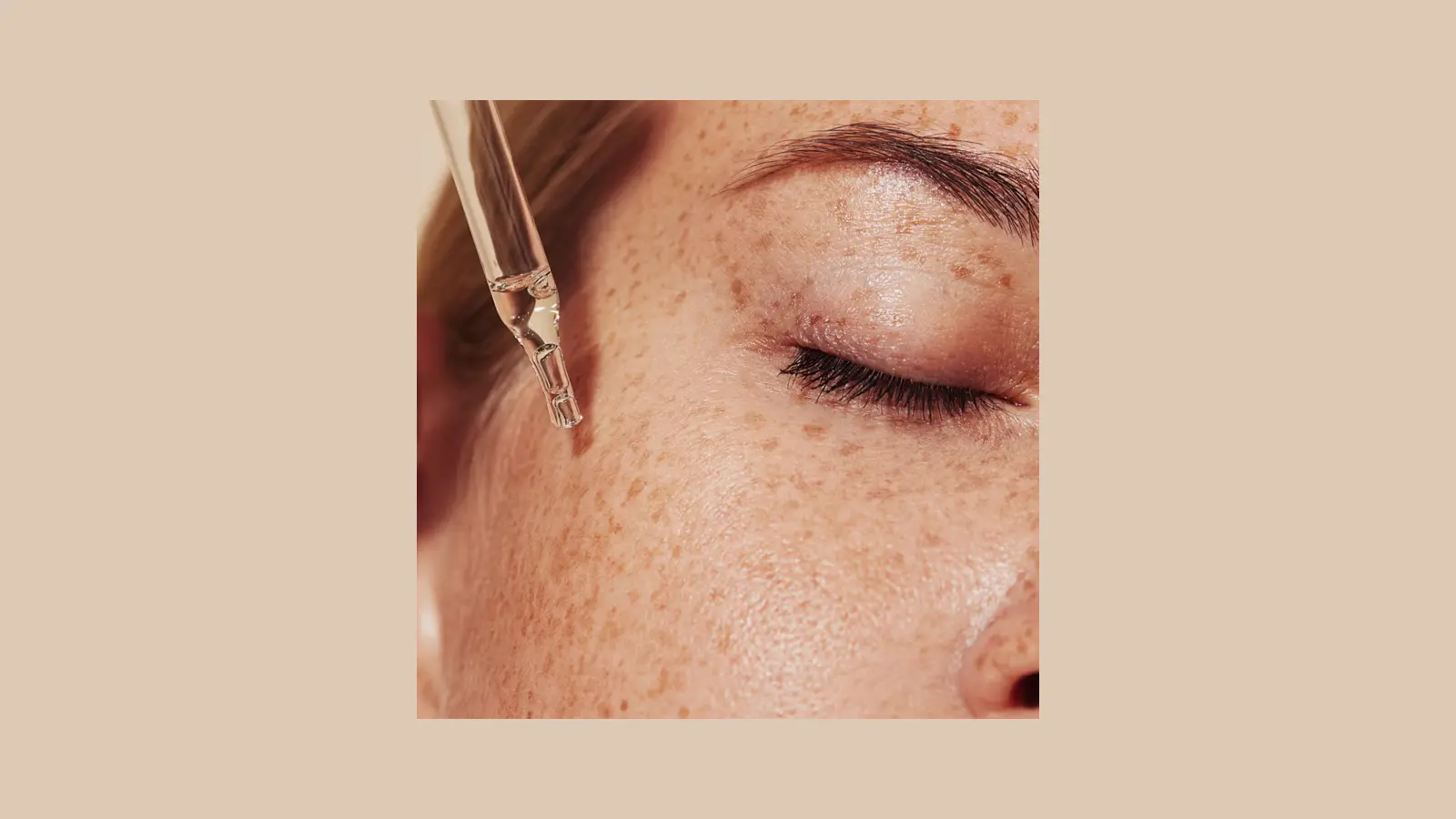
Hyperpigmentation—particularly chronic conditions like melasma and Post-Inflammatory Hyperpigmentation (PIH)—remains one of the most notoriously difficult conditions to manage in aesthetic dermatology. Companies such as Revance Therapeutics, Ninaveli, and Sinclair Pharma are continuously investing to help tackle this condition’s management difficulty through advanced biotechnological advancements.
For decades, Hydroquinone (HQ) stood as the undisputed gold standard for skin lightening. However, the aesthetic landscape has experienced a major shift away from HQ due to severe long-term complications, including exogenous ochronosis (irreversible blue-black tissue staining), rebound hyperpigmentation, melanocyte cytotoxicity, and strict regulatory bans across Europe and Asia.
The central challenge in modern pigment regulation is achieving potent depigmentation without damaging melanocytes or triggering a rebound inflammatory cascade. To solve this, advanced clinics have turned to Cysteamine Hydrochloride (Cysteamine HCl)—a naturally occurring biological aminothiol that resets melanogenesis without cytotoxic destruction.
Below is an exploration of the biological pathways of hyperpigmentation, the multi-targeted mechanism of Cysteamine HCl, and the clinical data validating its role as a safer alternative for long-term pigment control.
1. The Pigment Cascade: Why Melasma and PIH Rebound
Melanin production is a defense mechanism governed by melanocytes located in the basal layer of the epidermis. In conditions like melasma or PIH, melanocytes enter a hyper-reactive state driven by ultraviolet (UV) radiation, hormonal fluctuations (estrogen/progesterone), or inflammatory tissue injury.
The Hydroquinone Trapping Effect
Hydroquinone functions primarily by inhibiting the enzyme tyrosinase and selectively destroying melanocytes (cytotoxicity). While this rapidly clears surface pigment, it creates a severe vulnerability:
- Cellular Stress & Rebound: Cytotoxic damage to melanocytes triggers localized cellular stress. Once HQ therapy is discontinued, the remaining melanocytes often overcompensate, causing a rapid “rebound” of hyperpigmentation that is often darker and more resistant than the initial baseline.
- Exogenous Ochronosis: Prolonged HQ exposure inhibits homogentisic acid oxidase in the dermis, causing homogentisic acid to polymerize into dense, blue-black ochre deposits that permanently stain the skin.
2. The Multi-Target Pathway of Cysteamine HCl
Cysteamine is an aminothiol naturally synthesized in the human body during the metabolic degradation of L-cysteine and coenzyme A. Unlike hydroquinone, cysteamine is non-cytotoxic and non-mutagenic; it alters the biochemical pathways inside the cell without killing the melanocyte.
A. Chelation of Transition Metals
Tyrosinase requires copper ions (Cu2+) at its active site to catalyze the conversion of L-tyrosine into dopaquinone. Cysteamine’s thiol group acts as a potent chelator, sequestering both copper and iron (Fe2+) ions. This physically inactivates the tyrosinase enzyme without destroying the host cell.
B. Intracellular Glutathione Surge & Pigment Shifting
Cysteamine readily penetrates the cellular membrane, where it boosts intracellular levels of L-glutathione. High glutathione levels alter the enzymatic cascade, shifting melanin synthesis away from dark, insoluble eumelanin (brown/black pigment) and toward light, soluble pheomelanin (yellow/red pigment).
C. Peroxidase Inhibition & Free Radical Scavenging
Melanogenesis is driven heavily by reactive oxygen species (ROS) generated by inflammation or UV exposure. Cysteamine acts as an intracellular antioxidant, inhibiting peroxidase enzymes and quenching hydroxyl free radicals that would otherwise stimulate melanocytes to overproduce pigment.
3. Clinical Validation: What the Data Shows
1. Equivalent Efficacy to Hydroquinone Without Cytotoxicity
In a comparative clinical study published in PubMed, “Comparison of the efficacy of cysteamine 5% cream and hydroquinone 4%/ascorbic acid 3% combination cream in the treatment of epidermal melasma,” researchers evaluated 60 patients with epidermal melasma over 4 months.
The objective data confirmed that 5% cysteamine achieved a statistically significant reduction in modified Melasma Area Severity Index (mMASI) scores that was clinically comparable to the 4% hydroquinone group. The researchers noted that while both compounds effectively cleared hyperpigmentation, cysteamine demonstrated superior long-term safety, making it suitable for continuous maintenance therapy without the risk of ochronosis.
2. Efficacy in Recalcitrant Melasma & Post-Inflammatory Marks
According to a comprehensive meta-analysis published in PMC, “Clinical Efficacy of Cysteamine Application for Melasma: A Meta-Analysis,” pooled data across multiple clinical trials proved that topical cysteamine consistently outperforms placebo and demonstrates comparable depigmenting power to modified Kligman’s formulas (triple combination therapy).
The analysis highlighted that cysteamine remains highly effective even in patients who have grown resistant to traditional hydroquinone regimens, providing a reliable option for refractory pigment cases.
4. Strategic Summary for Clinical Practice
Cysteamine Hydrochloride represents a paradigm shift in hyperpigmentation management. By moving away from cytotoxic bleaching agents like hydroquinone and adopting a non-cytotoxic, multi-targeted aminothiol, practitioners can safely clear resistant melasma and PIH. Cysteamine’s ability to chelate copper, boost glutathione, and shift melanin synthesis allows for long-term pigment control without the risks of rebound darkening or tissue ochronosis.
Study Citations & References
- Study 1 (Cysteamine vs Hydroquinone Comparative Trial): Comparison of the efficacy of cysteamine 5% cream and hydroquinone 4%/ascorbic acid 3% combination cream in the treatment of epidermal melasma.URL: https://pubmed.ncbi.nlm.nih.gov/35510765/
- Study 2 (Clinical Meta-Analysis of Cysteamine): Clinical Efficacy of Cysteamine Application for Melasma: A Meta-Analysis.URL: https://pmc.ncbi.nlm.nih.gov/articles/PMC11642093/
- Study 3 (Cysteamine in Post-Inflammatory Hyperpigmentation): Assessing the Effectiveness of Stabilized Cysteamine 5% Cream Compared to Hydroquinone 4%/Ascorbic Acid 3% Combination Cream in Treating Acne-induced Post-inflammatory Hyperpigmentation: A Randomized, Controlled Study.URL: https://pmc.ncbi.nlm.nih.gov/articles/PMC11022844/
Frequently asked questions
How does Cysteamine HCl compare to Hydroquinone for treating resistant melasma?
Cysteamine HCl matches the depigmenting efficacy of traditional Hydroquinone without the severe long-term safety risks. Hydroquinone acts as a cytotoxic agent that temporarily kills or disables melanocytes; while effective short-term, it frequently leads to rebound pigmentation once stopped and carries a risk of exogenous ochronosis (permanent blue-black skin staining) with prolonged use.
Cysteamine HCl is non-cytotoxic. It corrects pigment by chelating copper ions, neutralizing free radicals, and shifting dark eumelanin production into lighter pheomelanin. Because it does not harm the cell, Cysteamine can be used safely for long-term maintenance without triggering rebound darkening or structural skin damage.
Why is Cysteamine typically applied as a short-contact mask rather than left on overnight?
Cysteamine HCl is a highly potent biological molecule that penetrates the stratum corneum very rapidly. Applying it as a 15-minute short-contact therapy (followed by washing it off with a gentle cleanser) provides maximum therapeutic pigment reduction while preventing surface skin irritation, redness, or barrier disruption.
Because its depigmenting action occurs rapidly at the cellular level, leaving it on overnight offers no additional pigment-clearing benefit and increases the likelihood of localized dryness or mild stinging.
How long does it take to see visible pigment reduction with Cysteamine HCl?
Most clinical protocols demonstrate visible lightening of hyperpigmentation within 4 to 8 weeks of daily short-contact application. Maximum clinical outcomes—characterized by a significant reduction in mMASI scores and a more uniform skin tone—are typically measured at 12 to 16 weeks.
Once the desired pigment clearance is achieved, patients can transition to a maintenance regimen of 2 to 3 applications per week to prevent melasma flare-ups.
Disclaimer: The content of the Ninaveli Knowledge Hub is for informational and educational purposes only. It is not a substitute for professional medical advice, diagnosis or treatment. Always seek the advice of a qualified healthcare provider with any questions you may have regarding a medical condition or before starting any new treatment. Ninaveli does not guarantee the accuracy, completeness or timeliness of the information and assumes no liability for any actions taken based on it.