
 한국어
한국어  Русский
  العربية
  עברית
עברית  Français
  Deutsch
  Español
 The Neurotoxin Alternative: Deep Wrinkle Remodeling with GHK-Cu Copper Peptides
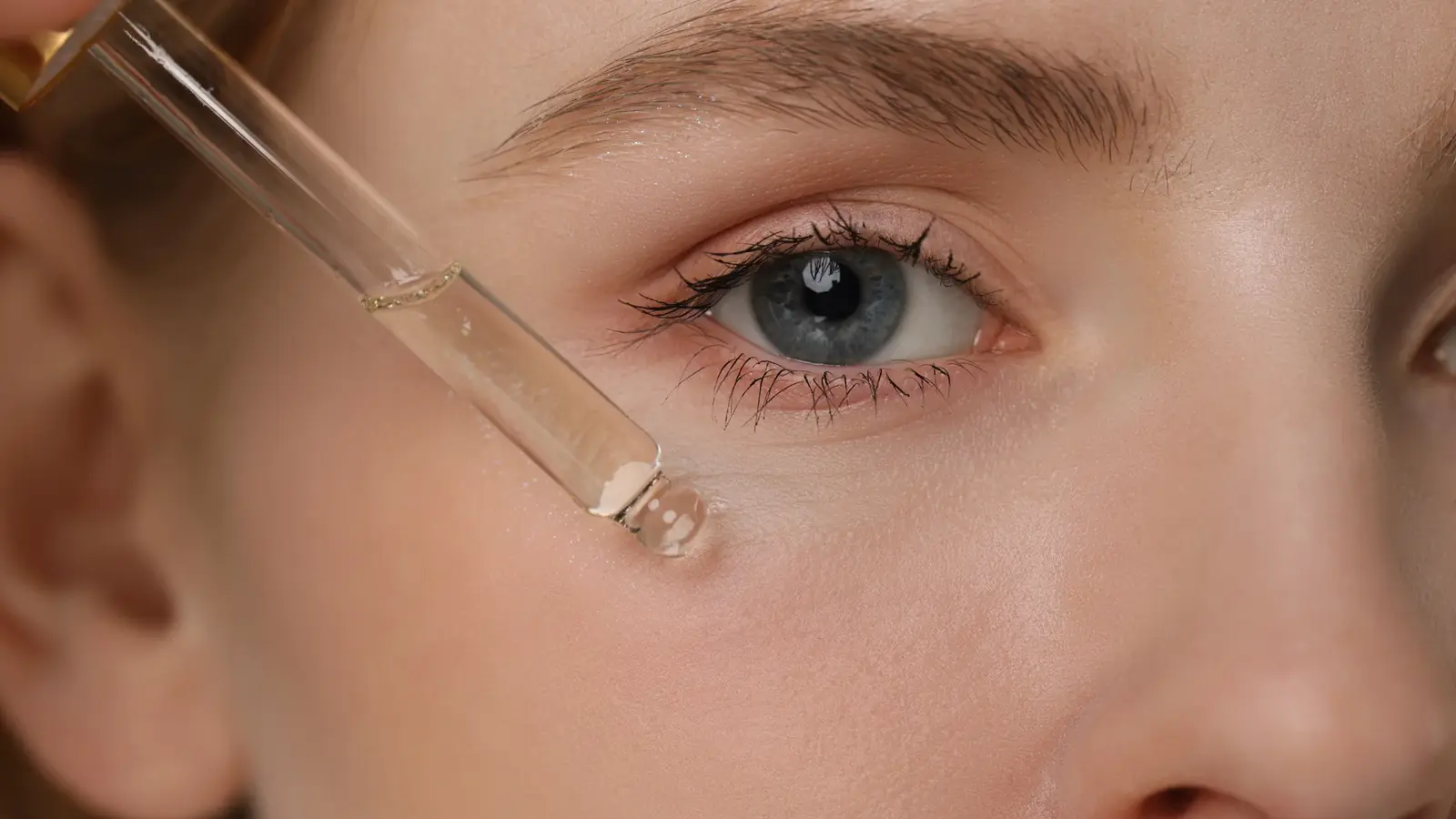
For decades, the dominant force in treating dynamic facial wrinkles has been botulinum toxin (neurotoxin injections). By temporarily freezing local facial muscles, neurotoxins prevent the skin from folding, effectively smoothing out expression lines. However, while highly effective, this paralyzing approach does not actually repair the underlying skin tissue. When the treatment wears off, the structural crease remains deeply embedded in the skin matrix.
A major shift is happening in advanced medical spas and cosmetic lounges toward “injectable-adjacent” topical signaling and regenerative mesotherapy. Rather than simply freezing a muscle, modern clinicians are using targeted biochemical messengers to fundamentally rebuild the micro-canyons of expression lines. At the leading edge of this non-paralyzing, anti-wrinkle category is the carrier peptide Glycyl-L-Histidyl-L-Lysine Copper (GHK-Cu), commonly known as copper peptide that biotechnological innovators such as Sinclair Pharma, Ninaveli, and Merz Aesthetics are actively investing in.
The Target Concern: Expression-Driven Fine Lines
Expression-driven fine lines (or dynamic wrinkles) are the superficial creases that form due to repetitive facial movements. Unlike static wrinkles caused purely by sun damage or gravity, these lines appear where our expressions are most active:
- Crow’s Feet: The radiating lines at the outer corners of the eyes from blinking and smiling.
- Glabella Lines: The vertical “11 lines” between the brows caused by frowning or squinting.
- Forehead Furrows: Horizontal creases across the forehead from raising the eyebrows.
How It Forms: The Mechanical Fracture Matrix
When we are young, our skin is highly resilient; it snaps back instantly after an expression. As we age, repetitive muscle contraction combined with structural degradation creates a permanent structural fracture in the skin.
- Repetitive Mechanical Stress: Every smile or frown applies physical pressure to the dermal layers, folding the skin in the exact same spot thousands of times a day.
- Dermal Micro-Fracturing: Over time, this constant bending breaks down the localized collagen network right at the base of the crease. The fibroblasts in this specific groove become flattened and physically damaged, losing their capacity to repair the localized dent.
- Loss of Anchor Proteins: Essential structural anchoring components—such as Type IV collagen and the proteoglycan decorin—begin to diminish. Without these anchors, the upper layers of the skin permanently cave inward, turning a temporary expression line into a static, deep surface ridge.
Enter Copper Peptides (GHK-Cu)
GHK is a naturally occurring tripeptide found in human plasma that possesses an incredibly high affinity for copper ions. While the peptide itself acts as a cellular locator, its union with copper creates a powerful biochemical key (GHK-Cu) that regulates complex tissue-remodeling pathways.
Because its natural production drops drastically as we age (falling by over 60% by age 60), reintroducing it topically or via transdermal delivery devices is a major strategy in modern aesthetic anti-aging.
The Non-Paralyzing Smoothing Mechanism
| Step in the GHK-Cu Cascade | Action on the Wrinkle Matrix | Final Aesthetic Result |
| 1. Copper Ion Delivery | Chaperones copper into cells to activate vital tissue-building enzymes. | Kickstarts dormant structural repair mechanisms. |
| 2. MMP Regulation | Suppresses overactive collagen-chopping enzymes (MMP-1) by up to 60%. | Halts the aggressive breakdown of existing skin structure. |
| 3. Targeted Neocollagenesis | Upregulates Type I collagen synthesis by 70% to 140%. | Physically pushes the base of the wrinkle upward. |
| 4. Decorin Amplification | Selectively stimulates decorin, which organizes collagen into neat, smooth rows. | Erases the crinkled surface texture for a smooth finish. |
Instead of stopping the muscle from moving, GHK-Cu rewrites the script for how the skin reacts to that movement. When applied to expression creases, it downregulates the inflammatory markers that degrade tissue while signaling fibroblasts to flood the fractured crease with fresh, tightly packed collagen and elastin fibers.
According to an intensive review published in PMC, “GHK Peptide as a Natural Modulator of Multiple Cellular Pathways in Skin Regeneration,” GHK-Cu is capable of up- and downregulating over 4,000 genes in the human genome. The study highlights that GHK-Cu acts as a master regulator of the skin matrix, simultaneously increasing the synthesis of collagen, elastin, and glycosaminoglycans while balancing matrix metalloproteinases to ensure smooth, unblemished tissue regeneration rather than irregular scarring.
Clinical Proof: What the Science Says
The reputation of GHK-Cu as an elite wrinkle-smoothing compound is firmly anchored by recent, high-level clinical investigations.
1. Robust Visual Reduction in Wrinkle Depth
According to a randomized controlled trial published in Peptides, “GHK-Cu Copper Peptide 2026 Review: Benefits, Mechanisms, Safety,” the tripeptide complex yields rapid, visible improvements in facial topography. In a 12-week double-blind study involving 60 women aged 40 to 65, a twice-daily application of a 0.1% GHK-Cu cream resulted in a 31% reduction in total wrinkle depth (verified by objective VISIA skin analysis) and a 28% improvement in skin elasticity compared to the placebo group. High-frequency ultrasound readings further confirmed a 15.6% increase in localized collagen density, proving that the surface smoothing was driven by genuine dermal thickening.
2. Superior Performance to Traditional Anti-Aging Actives
Aesthetic providers frequently look for active ingredients that can rival standard anti-aging staples without causing inflammation or skin barrier peeling. According to a comparative study published in PMC, “Peptides: Emerging Candidates for the Prevention and Treatment of Skin Senescence: A Review,” GHK-Cu holds its own against premium industry benchmarks.
The research evaluated an 8-week application of a GHK-Cu serum against a vehicle control and an established commercial product containing Matrixyl 3000. Optical profilometry metrics demonstrated that the GHK-Cu formulation achieved a statistically smaller wrinkle depth than both the vehicle and the standard benchmark. The study noted that because GHK-Cu optimizes copper-dependent signaling without triggering cellular stress, it effectively fills expression lines from within without causing the redness, flaking, or sun-sensitivity associated with retinoids.
The Takeaway for Practitioners and Patients
GHK-Cu copper peptides offer an elegant, biology-first alternative or complement to neurotoxin injections. Rather than chemically immobilizing the face, this carrier peptide repairs the physical damage caused by years of expressions. By boosting cellular energy, stabilizing collagen degradation, and remodeling the deep structural fractures within expression lines, GHK-Cu gives the skin the structural density it needs to resist wrinkling, allowing patients to maintain full, expressive freedom with a beautifully smooth skin topography.
Study Citations & References
- Study 1 (Gene Modulation & Matrix Repair): GHK Peptide as a Natural Modulator of Multiple Cellular Pathways in Skin Regeneration.URL: https://pmc.ncbi.nlm.nih.gov/articles/PMC4508379/
- Study 2 (Clinical Wrinkle Depth and VISIA Imaging Data): GHK-Cu Copper Peptide 2026 Review: Benefits, Mechanisms, Safety.URL: https://www.nationwidepeptides.com/peptide/ghk-cu-2026-review/
- Study 3 (Comparative Wrinkle Analysis vs. Benchmarks): Peptides: Emerging Candidates for the Prevention and Treatment of Skin Senescence: A Review.URL: https://pmc.ncbi.nlm.nih.gov/articles/PMC11762834/
Frequently asked questions
How do GHK-Cu copper peptides compare to Argireline for smoothing out dynamic expression lines?
While both ingredients are heavily marketed as non-injectable wrinkle smoothers, they operate on completely different biological mechanisms. Argireline (acetyl hexapeptide-8) is a neurotransmitter-inhibitor peptide often referred to as “Botox in a jar”. It works by temporarily interfering with the protein complex required for muscle movement, slightly relaxing the muscle contraction that folds the skin.
GHK-Cu Copper Peptides, on the other hand, do not affect muscle movement or nerves at all. Instead of preventing the skin from folding, GHK-Cu is a carrier peptide that travels deep into the fractured skin groove to remodel the structural damage caused by repetitive creasing. It actively suppresses collagen-destroying enzymes and forces fibroblasts to pack the base of the fine line with fresh Type I and Type III collagen. For the best results in an advanced aesthetic routine, they are frequently layered together: Argireline relaxes the physical tension on the skin, while GHK-Cu repairs the structural crease.
Can copper peptide serums be used immediately after professional microneedling or laser treatments in a medspa?
Yes, and they are highly valued in modern clinical aesthetics for this exact purpose. GHK-Cu was originally discovered and utilized as an elite wound-healing agent because it accelerates tissue repair, dampens acute inflammation, and stimulates rapid blood vessel regeneration.
When a practitioner creates microscopic channels in the skin using a laser or microneedling pen, the skin’s natural permeability sky-rockets. Applying a sterile, professional-grade GHK-Cu serum immediately after the procedure allows the tripeptide to flood directly into the deeper dermal layers. This targeted delivery significantly cuts down post-procedure redness (erythema) and cellular swelling, while maximizing the overall collagen-building and line-smoothing potential of the treatment itself.
Why is it recommended to avoid mixing Vitamin C or alpha hydroxy acids (AHAs) directly with copper peptides?
This recommendation comes down to a matter of chemical stability and ingredient deactivation. GHK-Cu relies on a delicate chemical bond between the tripeptide chain and a copper ion. When you mix copper peptides directly with a strong acid—like glycolic or lactic acid (AHAs)—the low pH environment can cleave the peptide bond, causing the copper ion to detach and rendering the complex useless.
Similarly, combining copper peptides with pure L-ascorbic acid (Vitamin C) can trigger a rapid oxidation reaction. The copper can oxidize the Vitamin C, causing both ingredients to degrade, change color, and potentially trigger skin irritation or oxidative stress. To get the maximum benefit from these high-performance actives without compromising your skin barrier, it is best to use your acids or Vitamin C in the morning and your GHK-Cu copper peptides during your evening restorative routine.
Disclaimer: The content of the Ninaveli Knowledge Hub is for informational and educational purposes only. It is not a substitute for professional medical advice, diagnosis or treatment. Always seek the advice of a qualified healthcare provider with any questions you may have regarding a medical condition or before starting any new treatment. Ninaveli does not guarantee the accuracy, completeness or timeliness of the information and assumes no liability for any actions taken based on it.