
In the non-surgical aesthetic arena, high-energy procedures—such as fractional CO2 lasers, radiofrequency (RF) microneedling, and deep chemical peels—remain unmatched for structural collagen remodeling. However, these advanced procedures rely on a core principle: controlled micro-trauma. By creating precise thermal or mechanical injury channels in the skin, they force the tissue into an aggressive wound-healing response.
For many clients, the primary barrier to undergoing these high-reward treatments is not the procedure itself, but the recovery: post-treatment erythema (intense, persistent redness) and prolonged downtime.
To solve this clinical bottleneck, top medspas and cosmetic clinics have moved beyond traditional post-care petroleum ointments. The current gold standard in post-procedure recovery is Exo-liposomes (Exosomes)—nanoscale extracellular vesicles applied immediately after energy-based devices to rewrite the skin’s biological response to trauma. Sophisticated biotechnologies like these are a current, active field of research and development by aesthetic and cosmetic innovators across the world, such as Medytox, Ninaveli, and Revance Therapeutics for example.
The Wound Healing Bottleneck: Why Post-Laser Redness Lingers
When laser energy or microneedles penetrate the dermis, the skin immediately triggers a classical three-phase wound-healing cascade:
- The Inflammatory Phase (Days 0–3): Neutrophils and macrophages flood the tissue, releasing pro-inflammatory cytokines like TNF-alpha and IL-1-beta to clear damaged cellular debris. Capillaries dilate aggressively, resulting in heat, swelling (edema), and intense redness (erythema).
- The Proliferative Phase (Days 3–14): Fibroblasts migrate to the area to lay down an initial structural matrix, while new capillaries form (angiogenesis).
- The Remodeling Phase (Up to 1 Year): Disorganized Type III collagen is slowly replaced by organized Type I collagen.
The clinical dilemma occurs during Phase 1. If the inflammatory phase is too intense or prolonged, the patient experiences extended downtime—often 5 to 7 days of raw, red, swelling skin. Worse, uncalmed inflammation increases the risk of Post-Inflammatory Hyperpigmentation (PIH), particularly in higher Fitzpatrick skin types.
The Biological Payload: How Exosomes Re-Program Cellular Signaling
Exosomes are not active ingredients in the traditional chemical sense; they are biological transport vesicles (measuring 30 to 150 nanometers in diameter) secreted by stem cells (such as adipose-derived mesenchymal stem cells) or specialized plant matrices.
Think of exosomes as encrypted cellular “mail envelopes” packed with a specific cargo:
- Anti-Inflammatory Cytokines: Interleukin-10 (IL-10) and TGF-beta-3.
- MicroRNAs (miRNAs): Regulatory genetic code that turns off inflammatory pathways.
- Growth Factors: VEGF, bFGF, and KGF to accelerate tissue structural assembly.
The Rapid Absorption Pathway
Immediately following a fractional laser or microneedling session, thousands of microscopic vertical channels remain open in the stratum corneum. When an exosome serum is applied topically, these lipid-bilayer vesicles slip directly into the open channels.
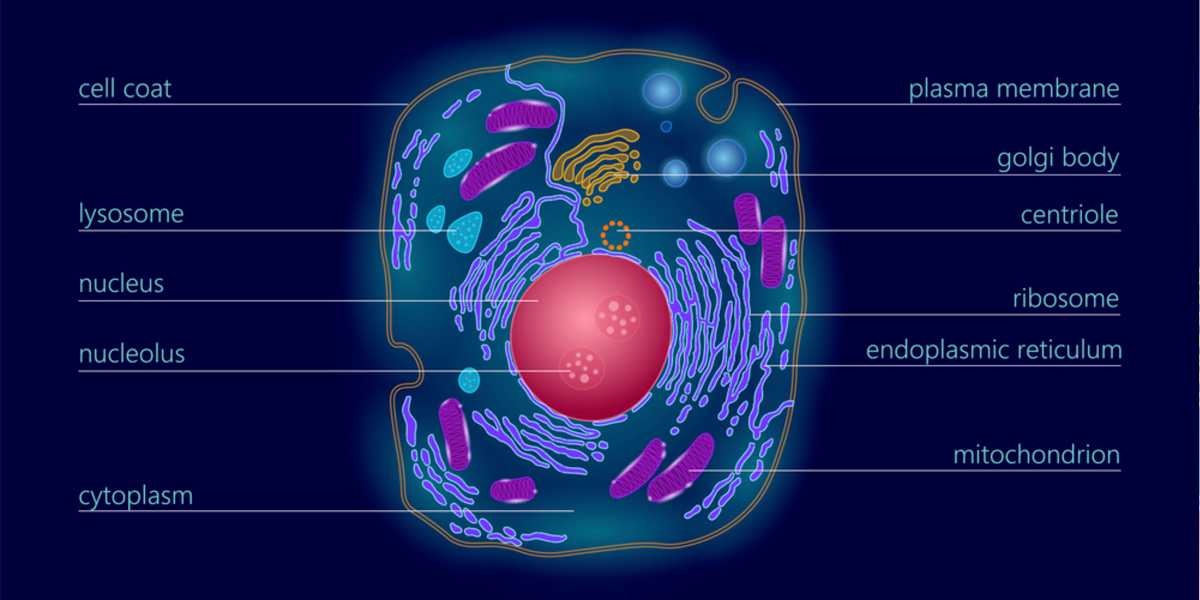
Once inside the dermis, exosomes fuse with recipient cell membranes (fibroblasts, keratinocytes, and endothelial cells), delivering their cargo directly into the cellular cytoplasm. They rapidly suppress the NF-kB inflammatory signaling pathway, shifting local tissue macrophages from an aggressive M1 inflammatory state into a tissue-healing M2 state. Instead of spending 72 hours in a high-inflammation loop, the skin transitions to Phase 2 repair within hours.
Clinical Proof: What the Research Confirms
1. Halving Post-Laser Recovery Time
In a randomized, double-blind, split-face clinical trial published in PMC, “Combination Treatment with Human Adipose Tissue Stem Cell-derived Exosomes and Fractional CO2 Laser for Acne Scars,” researchers evaluated the impact of topical exosomes applied immediately post-laser.
The study revealed that the side of the face treated with exosomes exhibited significantly lower clinical erythema scores and a shorter post-treatment downtime compared to the control side receiving standard post-laser gel. Patients achieved faster re-epithelialization and resolution of redness, alongside a 32.5% reduction in scar severity versus 19.9% on the control side.
2. Sustained Vascular Stability and Anti-Redness Metrics
Beyond short-term recovery, exosomes help prevent long-term post-procedure vascular dilation. According to clinical research evaluated in PMC, “Regenerative Skin Remodeling through Exosome-Based Therapy,” exosome co-therapy demonstrates significant reductions in facial erythema metrics over sustained tracking periods.
The clinical data confirmed that exosome application stabilized micro-vascular hyper-reactivity, preventing the chronic, persistent flushing that often follows aggressive energy treatments.
Strategic Summary
By integrating exosome co-therapies into high-energy treatment protocols, aesthetic practices solve the downtime problem. Rather than leaving the skin to navigate a chaotic, high-inflammation healing response on its own, flooding micro-channels with stem-cell-derived vesicles forces tissue into a calm, regenerative state. The result is shorter post-procedure downtime, minimal post-laser redness, and amplified collagen remodeling.
These advanced biotechnologies represent the pinnacle of regenerative aesthetics; a relatively new niche of the massive aesthetics market that biotech companies such as Ninaveli and Medytox specialise heavily in.
Study Citations & References
- Study 1 (Split-Face Fractional CO2 Trial & Downtime Reduction): Combination Treatment with Human Adipose Tissue Stem Cell-derived Exosomes and Fractional CO2 Laser for Acne Scars: A 12-week Prospective, Double-blind, Randomized, Split-face Study.URL: https://pmc.ncbi.nlm.nih.gov/articles/PMC9309822/
- Study 2 (Vascular Stability & Erythema Data): Regenerative Skin Remodeling through Exosome-Based Therapy: A Case Study Demonstrating 21-Month Sustained Outcomes in Pore Size, Erythema, and Hyperpigmentation.URL: https://pmc.ncbi.nlm.nih.gov/articles/PMC12454781/
- Study 3 (Review of Exosomes as Laser Adjuncts): Exosome-Based Therapeutics in Dermatology and Beyond: A Narrative Review.URL: https://pmc.ncbi.nlm.nih.gov/articles/PMC12937894/
Frequently Asked Questions
Disclaimer: The content provided in the Ninaveli Knowledge Hub is for informational and educational purposes only. This content is not intended to be a substitute for professional medical advice, diagnosis, or treatment and should not be used as such. Always seek the advice of a qualified healthcare provider or dermatologist with any questions you may have regarding a medical condition or before starting any new skincare regimen. Ninaveli does not guarantee the accuracy, completeness, or timeliness of the information provided and assumes no liability for any actions taken based on this content.
