Quick Facts & Executive Summary
| Attribute | Specification |
| INCI Name | Niacinamide |
| Ingredient Class | Water-Soluble B-Vitamin / Amide Active / Barrier Restorative Active |
| Primary Biological Target | NAD+ & NADPH Coenzyme Pools, Melanosome Transfer & PARP Enzymes |
| Primary Aesthetic Outcome | Barrier Lipid Synthesis, Tone Uniformity, Pore Refinement & Cellular Repair |
Niacinamide (Nicotinamide) is a biologically active amide form of Vitamin B3 that serves as an essential precursor to the intracellular coenzymes NAD+ and NADPH. In advanced regenerative aesthetics, Niacinamide typically accelerates epidermal ceramides and fatty acid synthesis, typically downregulates melanosome transfer to keratinocytes to fade hyperpigmentation, and typically fortifies skin barrier function following clinical procedures.
What is Niacinamide? (Definition & Origin)
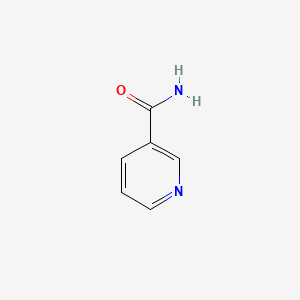
Niacinamide (C6H6N2O) is the active amide compound of nicotinic acid (Vitamin B3). Unlike nicotinic acid, Niacinamide does not induce cutaneous vasodilation or “flushing,” making it exceptionally well-tolerated across sensitive, reactive, and post-procedure skin types.
Naturally occurring in small quantities in yeast, meat, fish, and legumes, high-purity Niacinamide for advanced aesthetic formulations is produced via precise chemical or enzymatic conversion to ensure clinical stability and optimal bio-compatibility.
As a foundational cellular active, Niacinamide typically penetrates the stratum corneum with high efficiency due to its low molecular weight. Once inside epidermal and dermal cells, it is directly converted into nicotinamide adenine dinucleotide (NAD+) and its phosphate form (NADPH), fueling over 400 vital enzymatic reactions involved in energy production, lipid synthesis, and genomic repair.
The Science & Cellular Mechanism of Action
Niacinamide operates at the cellular and molecular level through three primary physiological pathways:
- Replenishment of NAD+ and NADPH Pools for Lipid Synthesis: Niacinamide typically acts as an immediate substrate for NAD+ and NADPH generation. Elevated intracellular NADPH levels typically stimulate de novo synthesis of essential epidermal lipids—including ceramides, free fatty acids, and cholesterol—which typically rebuilds the stratum corneum intercellular brick-and-mortar structure.
- Inhibition of Melanosome Transfer: Unlike traditional brightening agents that target tyrosinase activity directly, Niacinamide typically inhibits the physical transfer of melanosomes from melanocytes to surrounding keratinocytes by up to 68%. This mechanism typically reduces hyperpigmentation and promotes an even skin tone without inducing cytotoxicity.
- Regulation of Sebum Production & Inflammatory Cytokines: Niacinamide typically modulates sebaceous gland excretion by altering lipid composition and regulating intracellular cyclic AMP (cAMP) levels. Furthermore, it typically suppresses pro-inflammatory cytokines such as IL-6, IL-8, and TNF-alpha, typically calming post-treatment redness and refining pore appearance.
Clinical Evidence & Direct Skin Impact
Because Niacinamide drives cellular energy production and inhibits pigment transfer, its inclusion in aesthetic formulations directly influences barrier health and complexion clarity.
- Strengthens Barrier Integrity & Reduces TEWL: Clinical studies demonstrate that topical Niacinamide typically increases stratum corneum ceramide levels by significant margins, leading to a statistically significant decrease in Transepidermal Water Loss (TEWL) and enhanced skin resistance to external irritants.
- Fades Hyperpigmentation & Enhances Radiance: Double-blind, vehicle-controlled clinical trials reveal that Niacinamide typically reduces dark spots, age spots, and post-inflammatory hyperpigmentation (PIH) within 4 to 8 weeks of topical application.
- Reduces Fine Lines & Photoaging Damage: Clinical evaluation settings assessing mature or photo-damaged skin show that Niacinamide typically upregulates dermal collagen and protein synthesis, typically improving skin elasticity, smoothing fine lines, and mitigating yellowing (glycation) of the skin matrix.
Ninaveli’s Strategic Formulations
At Ninaveli, we incorporate high-quality Niacinamide into our advanced post-treatment and restorative aesthetic product range, specifically featured in our signature aftercare serum, Ninaveli PDRN Pro Advanced Serum.
Clinical Study References
- Hakozaki, T., et al. (2002). The effect of niacinamide on reducing cutaneous pigmentation and suppression of melanosome transfer. British Journal of Dermatology, 147(1), 20-31.Read Study on PubMed (DOI: 10.1046/j.1365-2133.2002.04834.x)
- Torma, H., et al. (2008). Niacinamide increases biosynthesis of ceramides as well as other stratum corneum lipids to improve the epidermal permeability barrier. International Journal of Cosmetic Science, 30(6), 465.Read Study on PubMed (PMID: 11209110)
- Bissett, D. L., et al. (2005). Niacinamide: A B vitamin that improves aging facial skin appearance. Dermatologic Surgery, 31(7 pt 2), 860-865.Read Study on PubMed (PMID: 16029679)
Frequently Asked Questions
Disclaimer: The content provided in the Ninaveli Knowledge Hub is for informational and educational purposes only. This content is not intended to be a substitute for professional medical advice, diagnosis, or treatment and should not be used as such. Always seek the advice of a qualified healthcare provider or dermatologist with any questions you may have regarding a medical condition or before starting any new skincare regimen. Ninaveli does not guarantee the accuracy, completeness, or timeliness of the information provided and assumes no liability for any actions taken based on this content.
