Skin Barrier Enhancement and Moisturizing Effects of Exosome Extracts Derived from Pinus densiflora, Zanthoxylum piperitum, and Lagerstroemia indica Plants
Ingredient: Exosomes
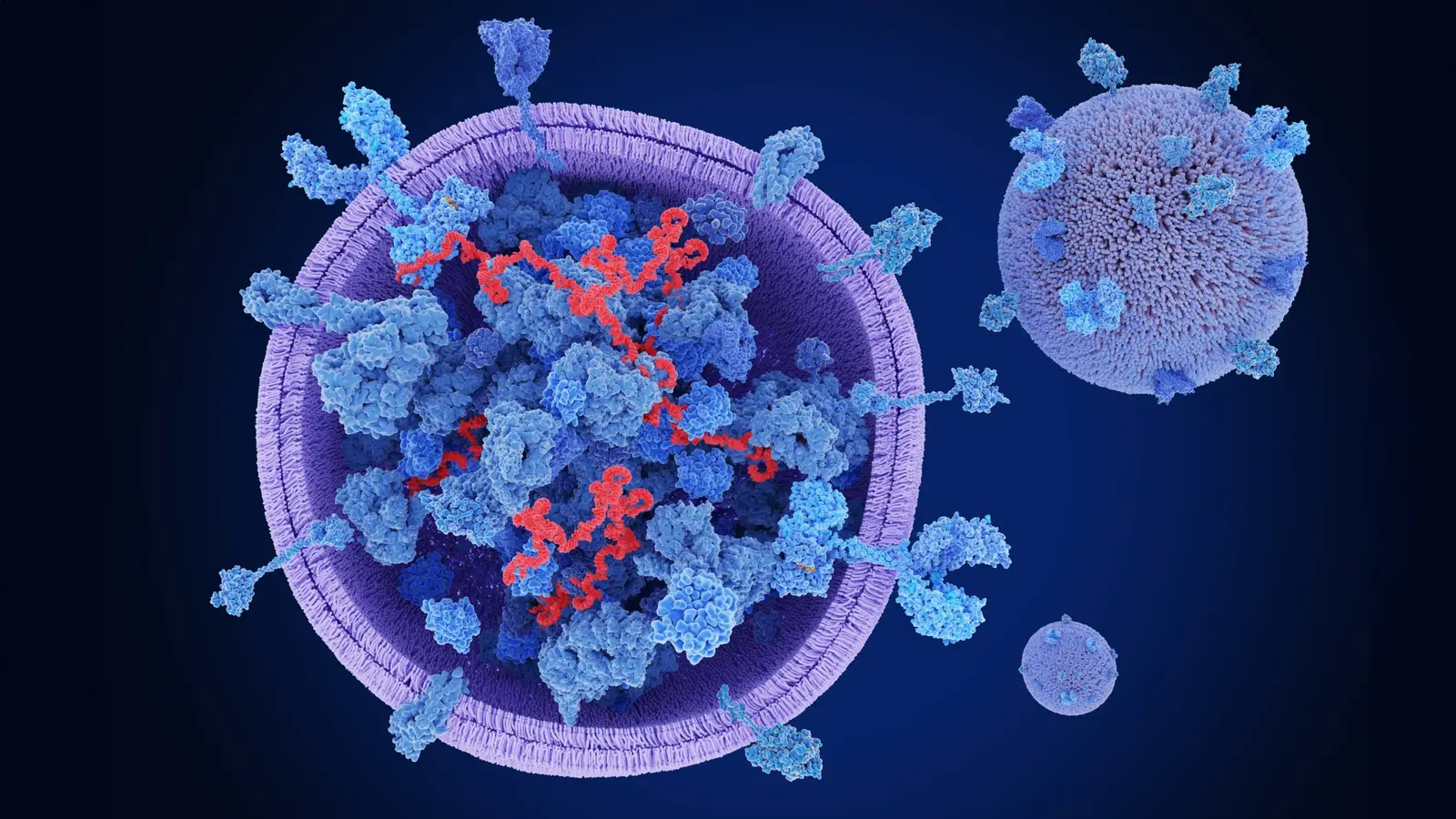
Summary: This recent investigation explored the relationship between plant-derived exosomes and the skin’s natural moisture retention. The clinical data revealed a profound synergy: when exosome technology is applied to the skin, it significantly enhances the surface’s ability to utilize and retain Hyaluronic Acid. By acting as a structural conditioning agent, the exosomes helped lock in the deep hydration provided by HA, drastically reducing trans-epidermal water loss. The combined effect resulted in a flawlessly plumped appearance, heavily diminished superficial fine lines, and a consistently dewy, supple finish.
Study Conclusion: Exosome extracts obtained from Zanthoxylum piperitum, Lagerstroemia indica, and Pinus densiflora were found to strengthen skin barrier function by attenuating inflammation and restoring the expression of key barrier-associated proteins in TNF-a/IFN-y-stimulated HaCaT cells. Notably, the levels of essential structural and regulatory proteins, including involucrin, filaggrin, PPAR-a, SHMT1, and SPTLC1, were recovered, leading to enhanced epidermal differentiation, lipid metabolism, and ceramide production. In addition, the extracts demonstrated significant moisturizing effects by stimulating the synthesis of procollagen and hyaluronic acid, suppressing MMP-1 expression, and promoting collagenase and elastase inhibition. Collectively, these findings indicate that plant-derived exosomes hold strong potential as cosmetic ingredients for reinforcing skin barrier integrity and maintaining hydration. Their dual functionality in restoring skin architecture and sustaining moisture balance underscores their promise for use in next-generation skincare formulations, warranting further investigation for development as active components in functional cosmetics.
Reference: Kim, H.-R.; Lee, S.-H.; Bae, W.B.; Shin, M.-J.; Kim, S.-Y.; Jung, Y.O.; Park, M.H. Biology 2026, 15, 249.


 한국어
 Русский
 العربية
 עברית
 Français
 Deutsch
 Español