What is L-HA? Scientific Mechanism, Clinical Evidence & Ninaveli
Quick Facts & Executive Summary
| Attribute | Specification |
| INCI Name | Hydrolyzed Sodium Hyaluronate |
| Ingredient Class | Low Molecular Weight Glycosaminoglycan / Short-Chain Polysaccharide |
| Primary Biological Target | Deep Dermal Interstitial Matrix & CD44 Fibroblast Receptors |
| Primary Aesthetic Outcome | Multi-Depth Dermal Hydration, Cellular Activation & Elasticity Support |
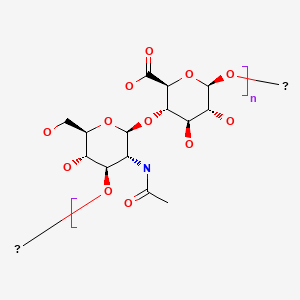
L-HA (Low Molecular Weight Hyaluronic Acid) is a short-chain fragment of non-crosslinked hyaluronic acid engineered for enhanced cutaneous penetration. In advanced regenerative aesthetics, L-HA penetrates beyond the superficial stratum corneum into the deeper epidermal and dermal layers, binding water within the deep extracellular matrix, activating fibroblast CD44 receptors, and supporting deep tissue hydration and elasticity.
What is L-HA? (Definition & Origin)
L-HA (typically ranging from 10 to 500 kDa) consists of shortened, low-molecular-weight chains of sodium hyaluronate. While standard high-molecular-weight hyaluronic acid forms a protective film on the skin’s surface, L-HA is produced by controlled enzymatic or chemical cleavage of native hyaluronan polymers to yield fragments capable of crossing the stratum corneum barrier.
High-purity L-HA utilized in aesthetic formulations is derived from bio-fermented sodium hyaluronate. Through precise cleavage technology, the molecular weight is standardized to optimize bio-availability while maintaining absolute structural integrity and purity.
Because of its smaller molecular footprint, L-HA moves efficiently into the deeper layers of the skin. Once inside the dermal matrix, it acts as a deep hydration anchor, supplying water molecules to depleted tissue and interacting directly with living dermal cells.
The Science & Cellular Mechanism of Action
L-HA operates at the cellular and molecular level through three primary physiological pathways:
- Deep Dermal Water Binding & Interstitial Hydration: Due to its low molecular weight, L-HA penetrates into the deeper layers of the dermis. Its high density of hydrophilic carboxyl and hydroxyl groups allows it to bind water within the deep extracellular matrix, restoring interstitial fluid balance and deep tissue turgor.
- CD44 Receptor Binding & Fibroblast Stimulation: L-HA binds directly to CD44 cell-surface receptors on dermal fibroblasts. This interaction triggers intracellular signaling cascades that upregulate native extracellular matrix synthesis, stimulating fibroblasts to produce endogenous collagen, elastin, and native hyaluronic acid.
- Extracellular Matrix Remodeling & Micro-Environment Support: By permeating the deep dermal layers, L-HA fills microscopic voids within the structural matrix network. This provides an optimal hydrated micro-environment that facilitates the transport of nutrients, signal molecules, and oxygen to regenerating skin cells.
Clinical Evidence & Direct Skin Impact
Because L-HA penetrates into the deeper layers of the skin to interact with fibroblast CD44 receptors, its inclusion in aesthetic formulations directly influences deep tissue hydration and structural firmness.
- Delivers Multi-Depth Interstitial Hydration: Clinical trials evaluating low molecular weight sodium hyaluronate show that short-chain HA fragments significantly increase moisture levels in the deeper dermal layers compared to high-molecular-weight HA alone.
- Improves Skin Elasticity & Firmness: Research examining the topical and intradermal application of L-HA demonstrates measurable increases in cutaneous elasticity, skin density, and tissue firmness following consistent application.
- Reduces Fine Lines & Smooths Deep Texture: In vivo clinical evaluations reveal that low-molecular-weight HA effectively reduces the visual depth of fine lines and structural creping by restoring volume and moisture to the deep extracellular matrix.
Ninaveli’s Strategic Formulations
At Ninaveli, we incorporate high-purity L-HA across our advanced skin booster and lip enhancement product range, specifically featured in the following signature formulations:
- Ninaveli HI-LO: Formulated as a 2.5ml syringe containing 10mg low molecular weight Hyaluronic Acid (L-HA) alongside 70mg high molecular weight Hyaluronic Acid (H-HA) and 0.5% Polynucleotides (PN).
- Ninaveli Kiss: Formulated as a red dual-weight HA lip filler combining low molecular weight Hyaluronic Acid (L-HA) and high molecular weight Hyaluronic Acid (H-HA) with Vitamin B12.
Clinical Study References
- Essendoubi, M., et al. (2016). Human skin penetration of hyaluronic acid of different molecular weights as probed by Raman spectroscopy. Journal of Investigative Dermatology, 136(2), 520-523.Read Study on PubMed (DOI: 10.1016/j.jid.2015.11.010)
- Pavicic, T., et al. (2011). Efficacy of cream-based novel formulations of hyaluronic acid of different molecular weights in anti-wrinkle treatment. Journal of Drugs in Dermatology, 10(9), 990-1000.Read Study on PubMed (PMID: 22052267)
- Jegasothy, S. M., et al. (2014). Efficacy of a new topical nano-hyaluronic acid in humans. Journal of Clinical and Aesthetic Dermatology, 7(3), 27-29.Read Study on PubMed (PMID: 24688623)
Frequently Asked Questions
Disclaimer: The content provided in the Ninaveli Knowledge Hub is for informational and educational purposes only. This content is not intended to be a substitute for professional medical advice, diagnosis, or treatment and should not be used as such. Always seek the advice of a qualified healthcare provider or dermatologist with any questions you may have regarding a medical condition or before starting any new skincare regimen. Ninaveli does not guarantee the accuracy, completeness, or timeliness of the information provided and assumes no liability for any actions taken based on this content.
