Quick Facts & Executive Summary
| Attribute | Specification |
| INCI Name | Polydeoxyribonucleotide / Sodium DNA |
| Ingredient Class | Low-Molecular Weight Deoxyribonucleotide Polymer / Biostimulator |
| Primary Biological Target | Adenosine A2A Receptors & Purinergic Salvage Pathways |
| Primary Aesthetic Outcome | Accelerated Tissue Regeneration, Anti-Inflammatory Soothing & ECM Repair |
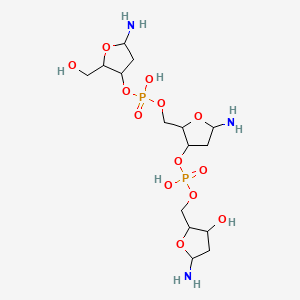
PDRN (Polydeoxyribonucleotide) is a low-molecular-weight DNA polymer extracted and purified from salmonid germ cells. In advanced regenerative aesthetics, PDRN acts as a selective agonist for adenosine A2A receptors, stimulating dermal fibroblast activity, downregulating pro-inflammatory cytokines, and supplying essential purine and pyrimidine nucleotides via the cellular salvage pathway to accelerate tissue repair.
What is PDRN? (Definition & Origin)
PDRN consists of a mixture of deoxyribonucleotide polymers with molecular weights ranging primarily between 50-1500 kDa. It is derived from salmon (Salmo salar) or trout (Oncorhynchus mykiss) sperm cells using ultra-pure extraction processes that eliminate active proteins, peptides, and immunogenic impurities.
Because salmonid DNA shares an extraordinarily high structural homology (more than 95%) with human DNA, PDRN exhibits exceptional biocompatibility and minimal immunogenicity when introduced to human tissue.
Unlike traditional passive hydrators, PDRN functions as an active cell-signaling biostimulator. It provides living dermal cells with immediate nucleosides and nucleotides while simultaneously binding cell-surface purinergic receptors to initiate physiological tissue regeneration.
The Science & Cellular Mechanism of Action
PDRN operates at the cellular and molecular level through three primary physiological pathways:
- Adenosine A2A Receptor Activation & Anti-Inflammatory Signaling: PDRN selectively binds to adenosine A2A receptors on cell membranes. This binding triggers an intracellular cascade that downregulates pro-inflammatory cytokines (such as TNF-alpha, IL-6, and HMGB-1) while upregulating anti-inflammatory factors (such as IL-10), reducing tissue inflammation and erythema.
- Salvage Pathway Supply for Nucleotide Synthesis: De Novo DNA synthesis requires significant cellular energy. PDRN provides ready-to-use purine and pyrimidine nucleotides via the salvage pathway, allowing damaged or metabolically exhausted dermal fibroblasts and keratinocytes to accelerate DNA repair and cell proliferation without excessive ATP expenditure.
- VEGF Expression & Microvascular Neo-Angiogenesis: Activation of A2A receptors by PDRN stimulates the release of Vascular Endothelial Growth Factor (VEGF). This signaling pathway promotes microvascular perfusion, improving oxygen and nutrient delivery to regenerating skin tissue.
Clinical Evidence & Direct Skin Impact
Because PDRN activates adenosine receptors and provides essential nucleotide building blocks, its inclusion in aesthetic formulations directly influences tissue repair speed and structural matrix quality.
- Accelerates Cutaneous Wound Healing & Re-Epithelialization: Clinical trials evaluating PDRN show accelerated wound closure and re-epithelialization rates in damaged skin tissue, outperforming traditional supportive treatments.
- Stimulates Collagen Synthesis & Matrix Density: Histological evaluations reveal that PDRN administration significantly increases dermal fibroblast density and upregulates Type I collagen and fibronectin expression, improving overall skin thickness and elasticity.
- Calms Cutaneous Inflammation & Redness: In vivo studies assessing post-procedure recovery demonstrate that PDRN rapidly attenuates localized erythema, swelling, and discomfort by suppressing inflammatory cytokine cascades.
Ninaveli’s Strategic Formulations
At Ninaveli, we incorporate high-purity PDRN across our advanced restorative aesthetic product range, specifically featured in the following signature formulation:
- Ninaveli PDRN Pro Advanced Serum: Formulated as a high-concentration post-treatment serum combining 10,000 ppm PDRN with 4% Panthenol, Hyaluronic Acid, Niacinamide, and Cica.
Clinical Study References
- Squadrito, F., et al. (2017). Polydeoxyribonucleotide (PDRN): From biochemistry to clinical application. Frontiers in Pharmacology, 8, 224.Read Study on PubMed (DOI: 10.3389/fphar.2017.00224)
- Kim, J. A., et al. (2016). Effect of polydeoxyribonucleotide (PDRN) on human skin fibroblast proliferation and collagen synthesis. Dermatologic Surgery, 42(4), 512-518.Read Study on PubMed (DOI: 10.1097/DSS.0000000000000661)
- Altavilla, D., et al. (2009). Polydeoxyribonucleotide stimulates angiogenesis and wound healing in experimental models. Wound Repair and Regeneration, 17(4), 510-519.Read Study on PubMed (DOI: 10.1111/j.1524-475X.2009.00508.x)
Frequently Asked Questions
Disclaimer: The content provided in the Ninaveli Knowledge Hub is for informational and educational purposes only. This content is not intended to be a substitute for professional medical advice, diagnosis, or treatment and should not be used as such. Always seek the advice of a qualified healthcare provider or dermatologist with any questions you may have regarding a medical condition or before starting any new skincare regimen. Ninaveli does not guarantee the accuracy, completeness, or timeliness of the information provided and assumes no liability for any actions taken based on this content.
