
Quick Facts & Executive Summary
| Attribute | Specification |
| INCI Name | Tranexamic Acid |
| Ingredient Class | Synthetic Amino Acid Derivative / Anti-Fibrinolytic Active / Pigment Regulator |
| Primary Biological Target | Plasminogen/Plasmin Pathway, Melanocyte-Keratinocyte Interactions & VEGF |
| Primary Aesthetic Outcome | Tone Unification, Fading of Hyperpigmentation & Vascular Redness Reduction |
Tranexamic Acid (TXA) is a synthetic derivative of the essential amino acid lysine that functions as a targeted brightening, anti-erythema, and pigment-regulating active in advanced aesthetics. When formulated into topical solutions, Tranexamic Acid typically inhibits plasminogen activation, typically downregulates melanocyte-stimulating factors triggered by UV exposure or skin trauma, and typically visibly evens out stubborn dark spots and post-inflammatory redness.
What is Tranexamic Acid? (Definition & Origin)
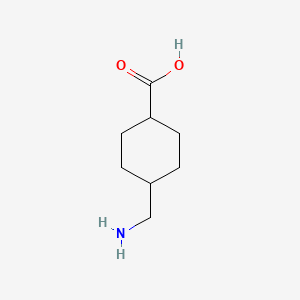
Tranexamic Acid (C8H15NO2) is a synthetic monocarboxylic acid possessing a trans-4-aminomethylcyclohexanecarboxylic acid molecular structure. Originally developed in medicine as an anti-fibrinolytic agent to prevent excessive bleeding, its remarkable skin-brightening and anti-inflammatory properties led to its widespread adoption in advanced dermatology and cosmetic science.
Unlike traditional exfoliating acids or aggressive skin-lightening agents, Tranexamic Acid is non-corrosive and does not function through acid exfoliation. Instead, its chemical structure enables it to act as a reversible competitive inhibitor of plasminogen activation.
Because of its high stability and gentle profile, Tranexamic Acid typically penetrates epidermal layers without causing surface peeling or irritation. This unique mechanism makes it exceptionally suited for addressing stubborn hyperpigmentation, melasma, and post-inflammatory erythema (PIE) in all skin types.
The Science & Cellular Mechanism of Action
Tranexamic Acid operates at the cellular and molecular level through three primary physiological pathways:
- Inhibition of the Plasminogen/Plasmin Pathway: Tranexamic Acid typically binds competitively to the lysine-binding sites of plasminogen, preventing its conversion into plasmin within keratinocytes. By blocking plasmin formation, it typically suppresses the release of free arachidonic acid and subsequent prostaglandin E2 (PGE2) synthesis, which are primary triggers for melanocyte activation.
- Downregulation of Melanocyte-Stimulating Signals: By suppressing PGE2 and alpha-melanocyte-stimulating hormone (alpha-MSH) release following UV exposure or tissue trauma, Tranexamic Acid typically prevents melanocytes from upregulating tyrosinase activity. This action typically halts excessive melanin synthesis before pigment accumulates in the upper skin layers.
- Reduction of Vascular Hyper-Reactivity & VEGF Signaling: Plasmin typically stimulates vascular endothelial growth factor (VEGF) release, leading to abnormal microvascular dilation and persistent redness. By inhibiting plasmin, Tranexamic Acid typically downregulates neovascularization, helping calm stubborn post-inflammatory redness and vascular-driven skin discoloration.
Clinical Evidence & Direct Skin Impact
Because Tranexamic Acid targets both melanogenesis signaling and vascular dilation pathways, its inclusion in aesthetic formulations directly influences complexion brightness and tone uniformity.
- Fades Stubborn Hyperpigmentation & Melasma: Double-blind clinical trials demonstrate that topically applied Tranexamic Acid typically leads to statistically significant reductions in pigment intensity and melasma area severity scores within 4 to 8 weeks of application.
- Reduces Post-Inflammatory Erythema (PIE) & Redness: Clinical evaluation settings reveal that formulations containing Tranexamic Acid typically soothe persistent post-treatment redness and post-acne erythema by calming underlying microvascular reactivity.
- Enhances Overall Skin Radiance & Uniformity: In vivo trials assessing overall complexion appearance show that Tranexamic Acid typically diminishes surface dullness, promoting a luminous, unified, and radiant tone across diverse skin types.
Ninaveli’s Strategic Formulations
At Ninaveli, we incorporate high-quality Tranexamic Acid into our advanced regenerative aesthetic product range, specifically featured in our premier dual-vial exosome system, Ninaveli Exoleen, in the activating liquid vial 2.
Clinical Study References
- Tse, T. W., & Hui, E. (2013). Tranexamic acid: an important adjuvant in the treatment of melasma. Journal of Cosmetic Dermatology, 12(1), 57-66.Read Study on PubMed (DOI: 10.1111/jocd.12026)
- Kim, S. J., et al. (2016). Efficacy and safety of topical tranexamic acid in melasma: a systemic review and meta-analysis. Journal of European Academy of Dermatology and Venereology, 31(2), 233-245.Read Study on PubMed (DOI: 10.1111/jdv.13998)
- Zhang, L., et al. (2018). Inhibitory effect of tranexamic acid on melanogenesis in human melanocytes. Journal of Dermatological Science, 90(1), 89-97.Read Study on PubMed (DOI: 10.1016/j.jdermsci.2017.12.012)
Frequently Asked Questions
Disclaimer: The content provided in the Ninaveli Knowledge Hub is for informational and educational purposes only. This content is not intended to be a substitute for professional medical advice, diagnosis, or treatment and should not be used as such. Always seek the advice of a qualified healthcare provider or dermatologist with any questions you may have regarding a medical condition or before starting any new skincare regimen. Ninaveli does not guarantee the accuracy, completeness, or timeliness of the information provided and assumes no liability for any actions taken based on this content.
