
 한국어
한국어  Русский
  العربية
  עברית
עברית  Français
  Deutsch
  Español
 Intravascular Fortification: How Troxerutin and Escin Seal Capillary leaks to Clear Diffuse Facial Flushing
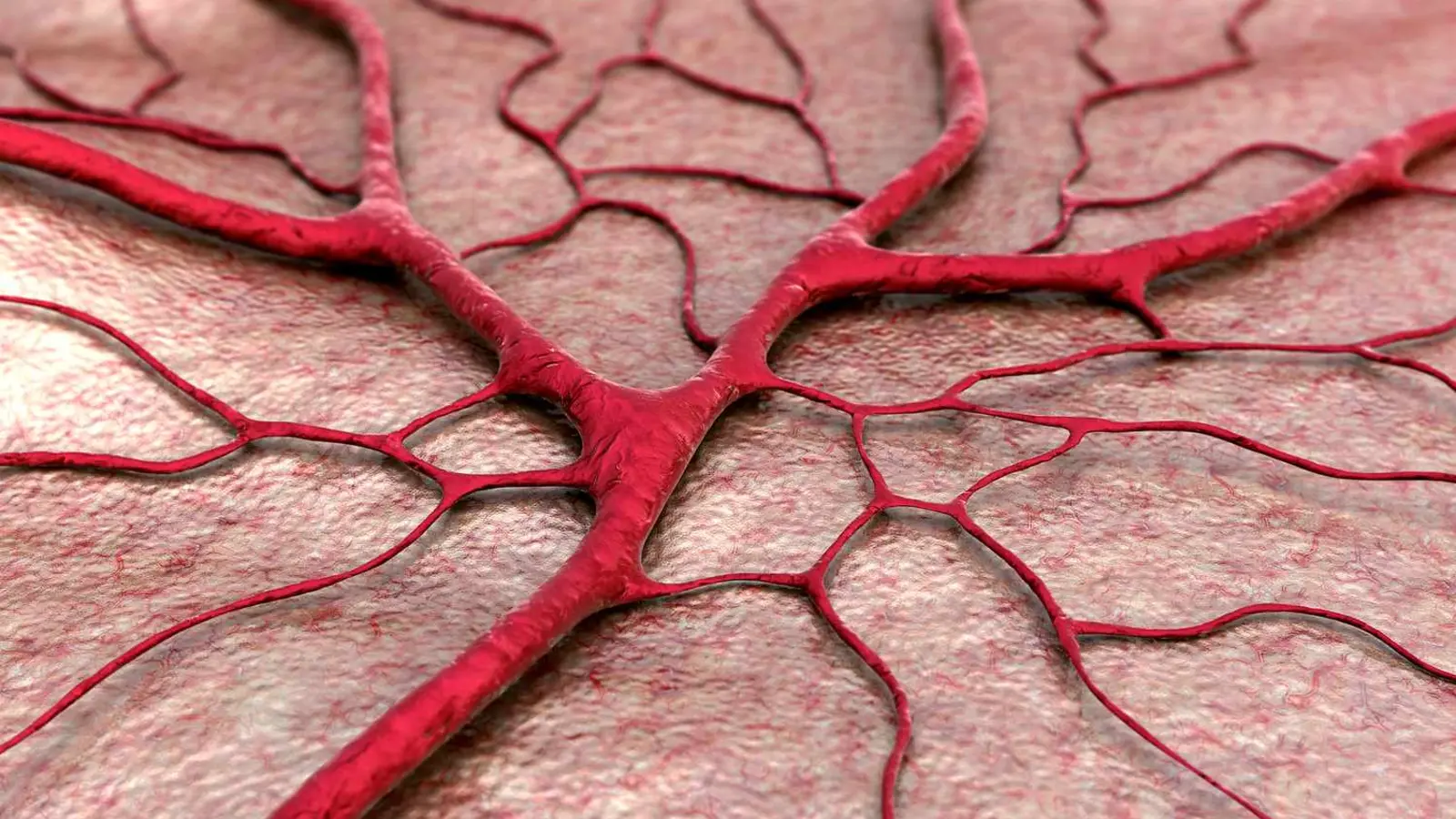
Diffuse facial redness, persistent flushing, and spider veins (telangiectasias) are among the most frustrating concerns managed in aesthetic dermatology. Whether driven by erythematotelangiectatic rosacea, environmental degradation, or post-laser vascular rebound, this persistent redness is often viewed strictly as a surface aesthetic issue.
However, vascular biology demonstrates that persistent flushing is driven by an underlying structural flaw: Intravascular Fragility and Capillary Hyper-Permeability.
When micro-vascular endothelial cells lose their structural integrity, plasma and red blood cells leak out of the capillaries into the surrounding dermal matrix. This chronic extravasation maintains localized micro-inflammation, triggers reactive vasodilation, and forms visible spider veins.
To fortify fragile vessel walls and prevent plasma leakage without relying solely on light-based vascular lasers, advanced clinical protocols utilize the synergistic bioflavonoid and saponin pairing of Troxerutin and Purified Escin.
1. The Vascular Degradation Cascade: How Leaky Capillaries Drive Flushing
The facial cutaneous micro-circulation is an intricate network of arteriole-capillary-venule loops responsible for nutrient delivery and thermoregulation. Under physiological stress—such as UV exposure, thermal shifts, or inflammatory cytokines—these delicate micro-vessels undergo structural degradation.
The Mechanism of Capillary Leakage
Micro-vascular permeability is regulated by the tight junctions (such as VE-cadherin) connecting neighboring endothelial cells. Under chronic inflammatory conditions:
- Endothelial Junctional Breakdown: Inflammatory mediators (such as bradykinin, histamine, and VEGF) signal endothelial cells to contract. This opens microscopic gaps between cells along the capillary wall.
- Plasma Extravasation: High hydrostatic pressure forces fluid, inflammatory proteins, and red blood cells out of the vessel lumen and into the papillary dermis, causing persistent perivascular edema and tissue swelling.
- Hemosiderin Staining & Telangiectasias: Escaped red blood cells break down in the tissue, depositing iron-rich hemosiderin that stains the skin a dusky, persistent red-brown hue. Meanwhile, chronically distended capillaries lose their elastic recoil, dilating permanently into visible spider veins.
2. The Dual Veno-Protective Mechanism: Troxerutin + Escin
Restoring micro-vascular clarity requires a dual strategy: sealing endothelial junctions to stop fluid leakage and restoring elastic tone to stretched, dilated vessel walls.
A. Troxerutin: The Bioflavonoid Endothelial Shield
Troxerutin is a standardized semi-synthetic trihydroxyethylrutoside derived from natural rutin. It possesses exceptional bio-availability and targeted affinity for micro-vascular endothelial cells.
Troxerutin inhibits the enzyme hyaluronidase, preventing the breakdown of the endothelial glycocalyx—the protective, sugar-rich inner lining of blood vessels. By preserving this inner coating, Troxerutin reduces endothelial cell swelling, prevents leukocyte adhesion, and neutralizes free radicals that damage fragile capillary walls.
B. Purified Escin: The Natural Venotonic Tightener
Escin is a bioactive mixture of triterpenoid saponins extracted from Aesculus hippocastanum (Horse Chestnut). In vascular biology, Escin is renowned for its potent venotonic and anti-edematous mechanics.
Escin selectively increases the sensitivity of vascular smooth muscle cells to calcium (Ca2+) ions, stimulating gentle vessel contraction. Furthermore, Escin inhibits lysosomal enzymes that degrade endothelial basement membranes, effectively sealing the microscopic pores along capillary walls to halt fluid leakage into the surrounding skin.
3. Clinical Validation: What the Data Confirms
1. Significant Reduction in Capillary Permeability and Perivascular Edema
In a clinical trial published in Nutrients (MDPI), “Supplementation with Bromelain, Troxerutin, and Escin to Support Postoperative Recovery,” researchers evaluated the micro-vascular protective properties of combined troxerutin and escin.
The objective data confirmed that troxerutin and escin significantly improved micro-vascular permeability, stabilized endothelial cell junctions, and reduced tissue edema. The researchers demonstrated that the dual-active complex counteracted oxidative endothelial injury and reduced inflammatory tissue swelling without adverse systemic effects.
2. Micro-Vascular Wall Stabilization and Venous Tone
According to an extensive pharmacological review published in PMC, “The Role of Venoactive Compounds in the Treatment of Chronic Vascular Disease,” bioflavonoids like Troxerutin and saponins like Escin exhibit robust vascular-protective properties.
The literature confirmed that these venoactive compounds seal the endothelial barrier, increase venous tone, reduce capillary hyper-permeability, and inhibit leukocyte-mediated vessel wall degradation. The analysis proved that stabilizing capillary wall integrity effectively stops fluid extravasation, reducing clinical erythema and tissue swelling.
4. Practice Summary
Treating chronic facial redness and spider veins requires reinforcing fragile vessel walls from within. By pairing Troxerutin with Purified Escin, aesthetic practitioners can deploy a multi-targeted veno-protective protocol. Troxerutin protects the endothelial lining from inflammatory degradation, while Escin tightens vessel walls and seals microscopic leaks. The result is a reduction in diffuse flushing, diminished perivascular edema, and a clear, uniform complexion, a result global biotech companies such as Ninaveli and Prollenium Medical Technologies work tirelessly to maximise.
Study Citations & References
- Study 1 (Troxerutin & Escin Capillary Permeability & Edema Data): Supplementation with Bromelain, Troxerutin, and Escin to Support Postoperative Recovery.URL: https://pmc.ncbi.nlm.nih.gov/articles/PMC12028045/
- Study 2 (Venoactive Compounds & Endothelial Barrier Sealing): The Role of Venoactive Compounds in the Treatment of Chronic Vascular Disease.URL: https://pmc.ncbi.nlm.nih.gov/articles/PMC12219339/
- Study 3 (Phlebotonics & Capillary Permeability Meta-Analysis): Phlebotonics for Venous Insufficiency and Capillary Fragility.URL: https://pmc.ncbi.nlm.nih.gov/articles/PMC8094625/
Frequently asked questions
How does the Troxerutin and Escin complex compare to vascular lasers (like IPL or PDL) for flushing?
Vascular lasers (such as Pulsed Dye Laser or Intense Pulsed Light) work by using light energy to selectively heat and destroy (coagulate) visibly dilated superficial blood vessels. While highly effective for treating established, large spider veins, lasers do not fix the underlying structural fragility of neighboring, un-coagulated capillaries.
Troxerutin and Escin provide biological vascular fortification. They strengthen capillary wall integrity, seal endothelial leaks, and improve vascular tone throughout the entire micro-vascular network. Using this complex alongside laser therapies helps prevent new capillary dilation and reduces post-laser rebound redness.
Can Troxerutin and Escin be used by patients with sensitive skin or Rosacea?
Yes, this active pairing is exceptionally well-suited for sensitive, reactive, and rosacea-prone skin types. Persistent facial flushing in rosacea is driven by micro-vascular hyper-reactivity and leaky capillaries. Because Troxerutin and Escin operate by soothing vascular inflammation, sealing endothelial gaps, and reducing perivascular swelling, they help calm skin reactivity without causing dryness or irritation.
How long does it take to see a visible reduction in facial redness and flushing?
Initial reductions in skin reactivity, hot flashes, and surface swelling are typically observed within 14 to 21 days of daily application as Escin enhances vascular tone and seals fluid leaks. Sustained improvements—such as a noticeable reduction in diffuse background erythema and clearer, more uniform skin tone—develop over 6 to 8 weeks of consistent morning and evening use as the capillary wall structure is reinforced.
Disclaimer: The content of the Ninaveli Knowledge Hub is for informational and educational purposes only. It is not a substitute for professional medical advice, diagnosis or treatment. Always seek the advice of a qualified healthcare provider with any questions you may have regarding a medical condition or before starting any new treatment. Ninaveli does not guarantee the accuracy, completeness or timeliness of the information and assumes no liability for any actions taken based on it.