한국어
 Русский
 العربية
 עברית
 Français
 Deutsch
 Español
Mitochondrial Resuscitation: How Coenzyme Q10 and NADH Recharge Sluggish, ATP-Deprived Skin Cells
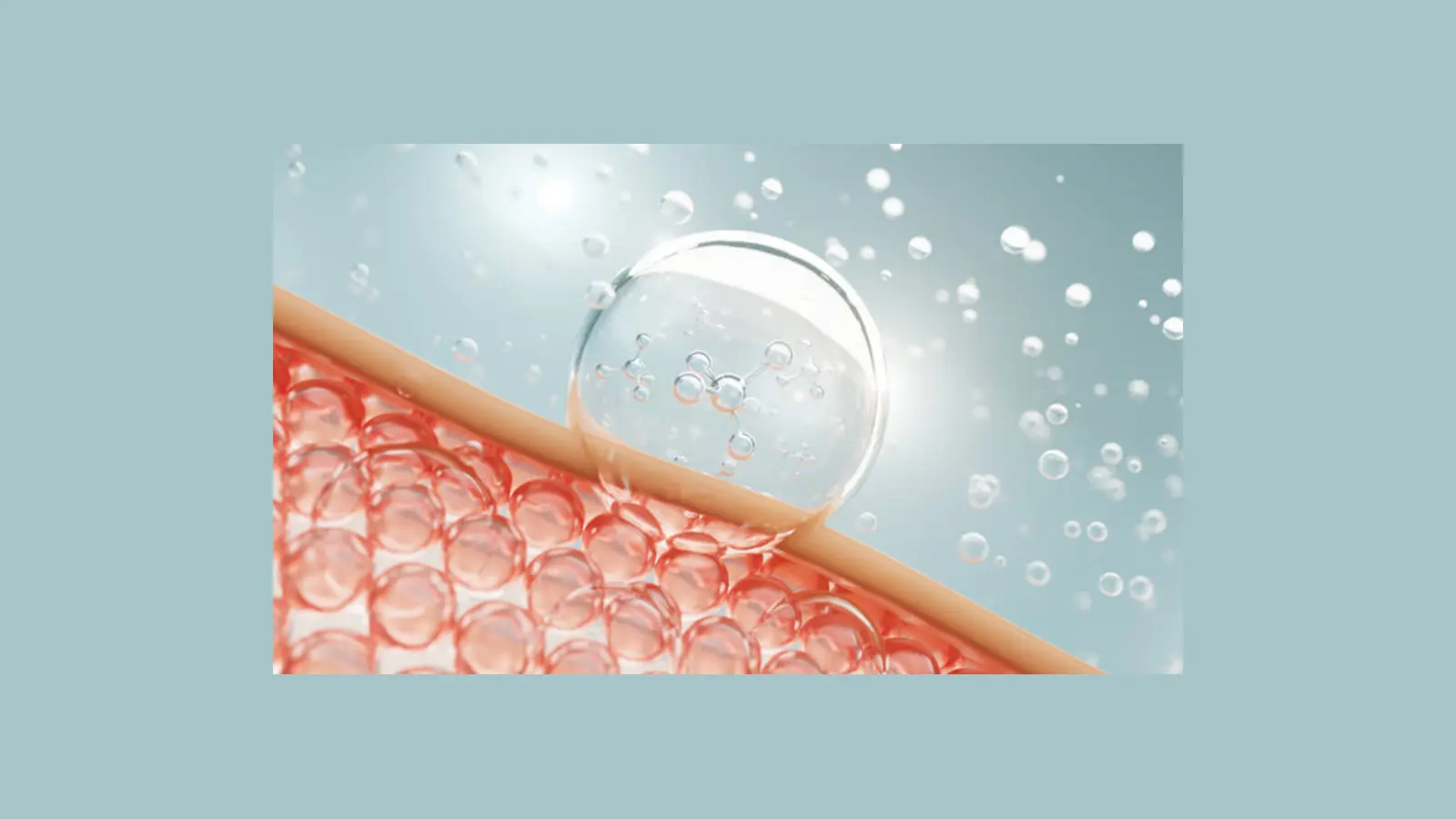
In aesthetic consultations, patients frequently complain of a skin state that defies simple surface classification: skin that looks perennially tired, lacks a youthful glow, and shows poor responsiveness to active topical ingredients or clinical treatments. While surface dullness is often blamed on slow desquamation, the root biological cause frequently lies deeper: Mitochondrial Decay and Cellular Energy Depletion.
Every essential function of the cutaneous matrix—from basal cell division and barrier lipid synthesis to fibroblast collagen assembly—is an energy-dependent process that relies on Adenosine Triphosphate (ATP).
Mitochondria are the cellular power plants responsible for generating ATP through oxidative phosphorylation. As skin ages or suffers UV damage, mitochondrial efficiency drops precipitously. Deprived of cellular energy, skin cells enter a state of metabolic fatigue.
To reignite cellular respiration and restore optimal ATP production, advanced longevity protocols utilize the mitochondrial electron transport pairing of Coenzyme Q10 (Ubiquinone) and Reduced Nicotinamide Adenine Dinucleotide (NADH) – a fascinating ingredient combination actively being researched and developed by aesthetic pioneers such as Ninaveli and Galderma.
1. The Energy Crisis: How Mitochondrial Decay Dulls Dermal Tissue
Mitochondria generate over 90% of the energy required by human skin cells via the Electron Transport Chain (ETC) located on the inner mitochondrial membrane.
The Consequences of Cellular ATP Starvation
Unlike nuclear DNA, mitochondrial DNA (mtDNA) lacks protective histone proteins, making it extremely vulnerable to oxidative damage. When mitochondrial dysfunction sets in:
- Collagen Assembly Stalls: Fibroblasts require significant amounts of ATP to transcribe, translate, and hydroxylate procollagen chains. Without adequate energy, procollagen molecules misfold and are degraded inside the cell.
- Epidermal Stagnation: Basal stem cells require ATP for mitotic division. Energy starvation slows cellular turnover from a youthful 28-day cycle to 45+ days, leaving dull, worn cells on the skin surface.
- The ROS Feedback Loop: Dysfunctional mitochondria leak electrons, reacting with molecular oxygen to form superoxide radicals. This extra oxidative stress causes further mtDNA damage, locking the cell into a cycle of energy depletion.
2. The Bio-Energetic Catalysts: Coenzyme Q10 + NADH
Restoring cellular energy requires providing the precise biochemical electron donors and carriers that fuel the mitochondrial Electron Transport Chain.
A. Reduced NADH: The Primary High-Energy Electron Donor
NADH (Reduced Nicotinamide Adenine Dinucleotide) is the activated coenzyme form of Vitamin B3. It acts as the primary electron donor for Complex I (NADH dehydrogenase) of the mitochondrial electron transport chain.
When delivered into the cytoplasm and mitochondria, NADH donates two high-energy electrons into Complex I, driving the proton pumps that power ATP Synthase—the cellular rotary motor that manufactures ATP from ADP.
B. Coenzyme Q10 (Ubiquinone): The Essential Electron Shuttle
Coenzyme Q10 (Ubiquinone/Ubiquinol) is an essential lipophilic electron carrier embedded directly within the lipid bilayer of the inner mitochondrial membrane.
CoQ10 acts as a biological bridge, accepting electrons from Complex I and Complex II and shuttling them to Complex III. Without adequate CoQ10 levels (which decline by up to 50% in human skin by age 50), the electron transport chain stalls, halting ATP production regardless of glucose or oxygen availability.
Furthermore, as a potent lipid-soluble antioxidant, CoQ10 quenches ROS generated inside the inner mitochondrial membrane, protecting mitochondrial lipids and mtDNA from oxidative degradation.
3. Clinical Validation: What the Science Confirms
1. Reversal of Mitochondrial Energy Loss and ATP Upregulation
In a clinical trial published in BioFactors (PubMed), “Topical Coenzyme Q10 Treatment Improves Mitochondrial Function in Human Skin,” researchers evaluated the impact of topical CoQ10 on dermal cell energetics.
The objective biochemical data confirmed that topical CoQ10 penetrated human skin cells and significantly increased cellular ATP levels and mitochondrial oxygen consumption rates.
The researchers noted that CoQ10 treatment reduced oxidative DNA damage in human dermal fibroblasts and restored metabolic activity in energy-starved aged skin samples.
2. NADH Energization and Cytoprotection Against Oxidative Stress
According to a study published in PMC, “NADH in Cellular Energy Metabolism and Skin Health,” reduced nicotinamide adenine dinucleotide demonstrated potent bio-energetic and cytoprotective properties.
The research proved that topical and cellular administration of reduced NADH rapidly increased intracellular ATP pools, boosted endogenous antioxidant defenses, and accelerated keratinocyte proliferation. The study concluded that supplementing key coenzymes restores the metabolic capacity of fatigued skin tissue.
4. Practice Summary
Mitochondrial resuscitation offers a foundational approach to treating fatigued, slow-healing skin. By pairing Coenzyme Q10 with reduced NADH, aesthetic practitioners can supply the exact electron carriers and donors required to restart the mitochondrial electron transport chain. Restoring cellular ATP production energizes sluggish fibroblasts, accelerates epidermal cell renewal, and restores a healthy, radiant glow from deep within the cell. These ingredients represent the forefront of regenerative aesthetics, with advanced aesthetic oragnizations such as Galderma, Ninaveli, and Huguel working tirelessly to maximise formulation efficacy.
Study Citations & References
- Study 1 (Topical CoQ10 & Mitochondrial ATP Restoration): Topical Treatment with Coenzyme Q10-Containing Formulas Improves Skin Energy Metabolism.URL: https://pubmed.ncbi.nlm.nih.gov/26278535/
- Study 2 (NADH Energy Pathways & Cellular Metabolism): NADH in Cellular Energy Metabolism and Longevity.URL: https://pmc.ncbi.nlm.nih.gov/articles/PMC7607370/
- Study 3 (Mitochondrial Dysfunction in Skin Aging Review): Mitochondrial DNA Mutations and Oxidative Stress in Skin Aging.URL: https://pmc.ncbi.nlm.nih.gov/articles/PMC8983239/
Frequently asked questions
Why can’t standard surface exfoliants or acid peels resolve “cellular energy fatigue”?
Surface exfoliants and chemical peels work strictly by breaking desmosomal bonds between dead stratum corneum cells, forcing surface shedding. While this temporarily brightens the skin surface, it does not fix mitochondrial decay occurring inside living dermal fibroblasts and basal stem cells.
If those living cells remain energy-starved and ATP-depleted, new cells will emerge just as sluggish and structurally compromised as the old ones. CoQ10 and NADH target the internal mitochondrial engine, providing the biological fuel necessary to generate real cellular energy.
How does Coenzyme Q10 compare to standard topical Vitamin C for anti-aging?
While both are potent antioxidants, they operate in completely different cellular locations and mechanisms. Vitamin C is a water-soluble antioxidant that operates primarily in the aqueous extracellular matrix and cytoplasm, aiding collagen gene transcription.
Coenzyme Q10 is a fat-soluble molecule that integrates directly into the inner mitochondrial membrane. There, it acts as an essential electron carrier in the respiratory chain to physically manufacture ATP while protecting mitochondrial membranes from internal oxidative stress.
How quickly do patients notice improvements in skin vitality with CoQ10 and NADH formulations?
Initial improvements in skin radiance, hydration, and reduced signs of tiredness can often be observed within 7 to 14 days as cellular ATP levels rise and micro-circulation responds to increased energy. Full structural benefits—such as enhanced collagen synthesis, improved skin firmness, and a faster cell turnover rate—develop over 28 to 45 days as new, energy-recharged cells migrate to the skin surface.
Disclaimer: The content of the Ninaveli Knowledge Hub is for informational and educational purposes only. It is not a substitute for professional medical advice, diagnosis or treatment. Always seek the advice of a qualified healthcare provider with any questions you may have regarding a medical condition or before starting any new treatment. Ninaveli does not guarantee the accuracy, completeness or timeliness of the information and assumes no liability for any actions taken based on it.