한국어
 Русский
 العربية
 עברית
 Français
 Deutsch
 Español
What are Botanical Exosomes: The Scientific Mechanisms and Clinical Evidence
Quick Facts & Executive Summary
| Attribute | Specification |
| INCI Name | Plant Extracellular Vesicles (e.g., Panax Ginseng Root Vesicles) |
| Ingredient Class | Plant-Derived Extracellular Vesicles / Bio-Nanocarriers |
| Primary Biological Target | Dermal Fibroblasts, Keratinocyte Lipid Bilayers & Oxidative Cascades |
| Primary Aesthetic Outcome | Targeted Phytochemical Delivery, Cellular Revitalization & Photo-Fatigue Defense |
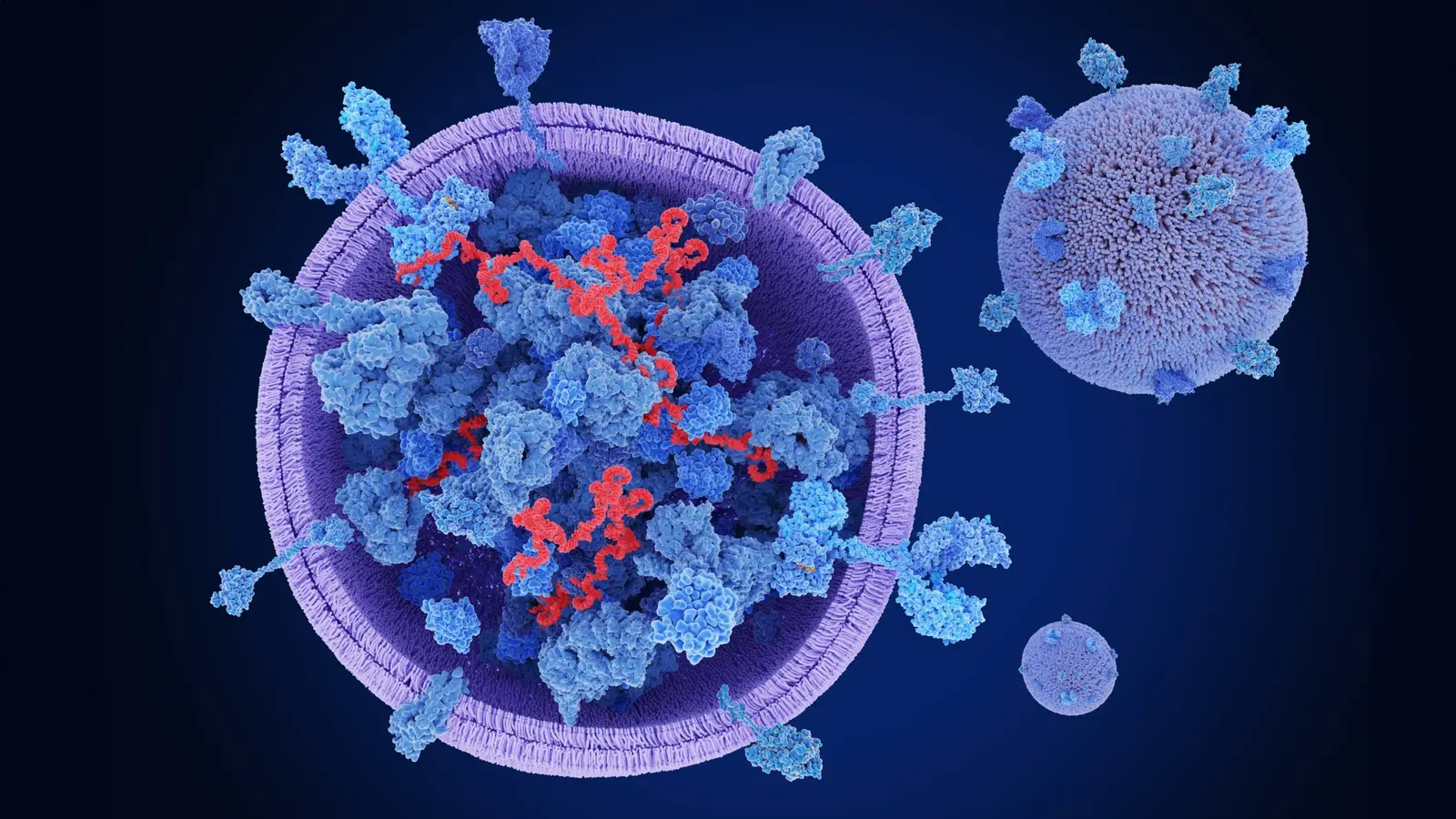
Botanical Exosomes (plant-derived extracellular vesicles) are nano-sized, membrane-bound lipid vesicles isolated from plant cells, such as Ginseng Root. In advanced regenerative aesthetics, Botanical Exosomes function as bio-compatible nanocarriers that encapsulate bioactive lipids, proteins, and secondary metabolites. They fuse with skin cell membranes to deliver phytochemicals directly into depleted dermal tissue, protecting cells against oxidative stress, supporting collagen synthesis, and restoring skin radiance.
What are Botanical Exosomes? (Definition & Origin)
Botanical Exosomes are plant-derived extracellular vesicles (typically 30 to 200 nanometers in diameter) naturally secreted by plant cells. Surrounded by a protective phospholipid bilayer, these nano-vesicles encapsulate a concentrated cargo of plant-specific bioactive compounds, including ginsenosides, lipids, proteins, and nucleic acids.
Unlike human or animal-derived exosomes, Botanical Exosomes are harvested from renewable plant tissues—such as Panax ginseng roots—using precise filtration, isolation, and bio-refinement technologies. This botanical origin eliminates risks of human viral transmission or immunogenic reactions while providing exceptional biochemical stability.
Because their natural lipid bilayer mimics the structure of human cell membranes, Botanical Exosomes move efficiently through the stratum corneum. They protect their delicate internal phytochemical cargo from enzymatic degradation, ensuring the targeted delivery of active compounds directly to living epidermal and dermal cells.
The Science & Cellular Mechanism of Action
Botanical Exosomes operate at the cellular and molecular level through three primary physiological pathways:
- Lipid Bilayer Fusion & Targeted Cargo Delivery: The unique phospholipid membrane of Botanical Exosomes allows them to fuse directly with keratinocyte and fibroblast cell membranes. This membrane fusion bypasses surface barriers, delivering encapsulated active compounds—such as ginsenoside lipids—directly into the cell cytoplasm.
- Downregulation of Senescence & MMP Expression: Botanical Exosomes, particularly those derived from Ginseng Root, interact with dermal fibroblasts to downregulate matrix metalloproteinases (such as MMP-1) and senescent markers (like p16 and p21). By inhibiting collagenase activity, they help preserve the structural collagen network from oxidative and UV-induced degradation.
- Antioxidant Defense & Cellular Bioenergetics: By supplying direct antioxidant compounds and specialized lipids, Botanical Exosomes help neutralize reactive oxygen species (ROS) generated by environmental pollution and UV exposure. This protective signaling reduces cellular fatigue, supports mitochondrial function, and helps maintain dermal fibroblast viability.
Clinical Evidence & Direct Skin Impact
Because Botanical Exosomes protect active phytocompounds and fuse with dermal cell membranes, their inclusion in aesthetic formulations directly influences cellular recovery and skin revitalization.
- Protects Against Environmental Photo-Fatigue: Clinical and cellular studies evaluating Ginseng-derived exosomes demonstrate that topically applied vesicles effectively transport ginsenosides into dermal cells, significantly reducing the visible markers of environmental photo-fatigue and oxidative stress.
- Supports Collagen Biosynthesis & Tissue Elasticity: In vitro research using human dermal fibroblasts reveals that treatment with plant-derived extracellular vesicles promotes collagen synthesis and preserves extracellular matrix density, improving overall skin bounce and firmness.
- Enhances Barrier Moisture Retention: Comparative studies show that combining Botanical Exosomes with hydrating matrices reduces transepidermal water loss (TEWL) and maintains long-term skin suppleness by reinforcing intercellular lipid structures.
Ninaveli’s Strategic Formulations
At Ninaveli, we incorporate high-purity Ginseng Root Exosomes into our premier dual-vial exosome system, specifically featured in the following signature formulation:
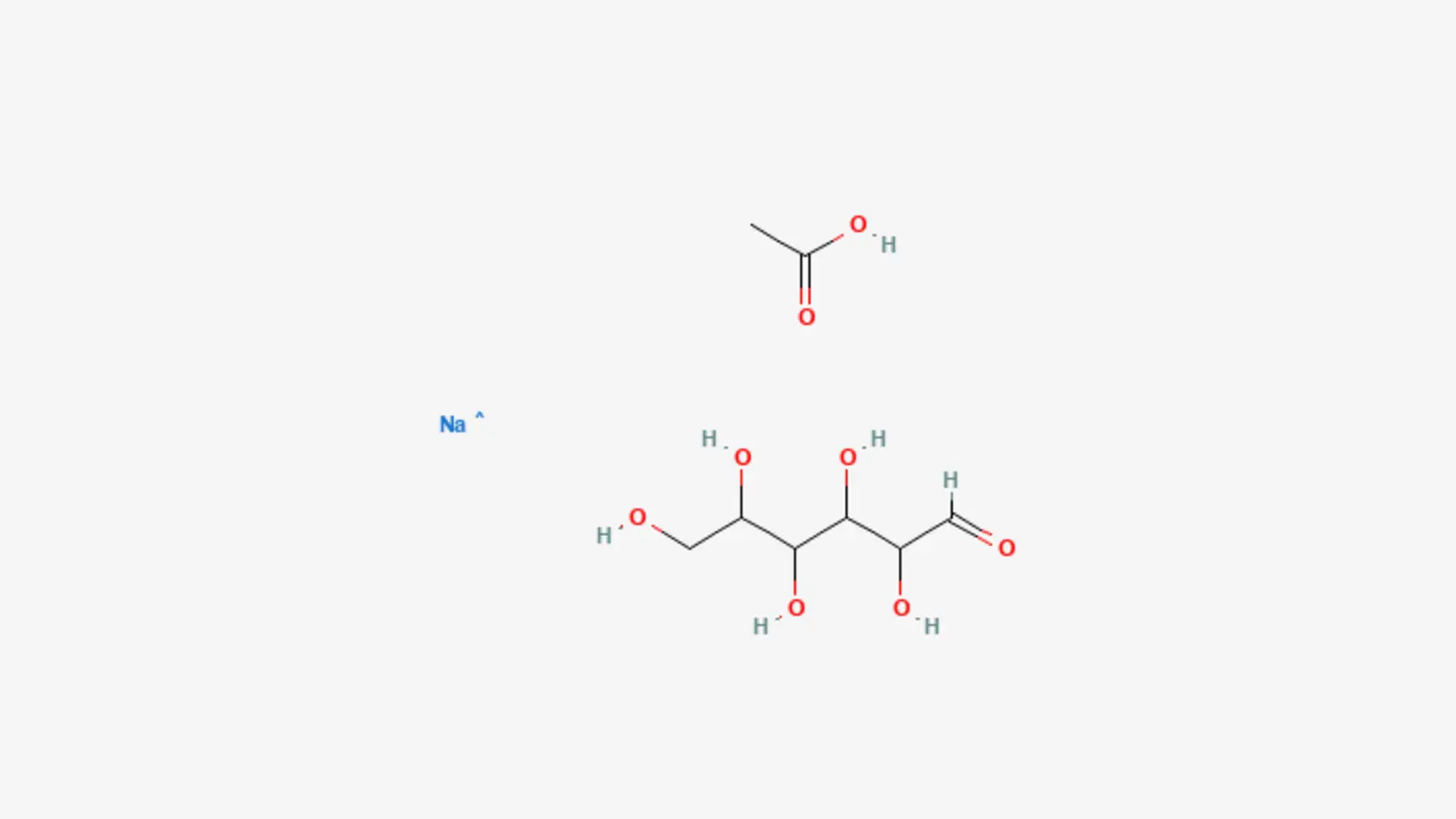
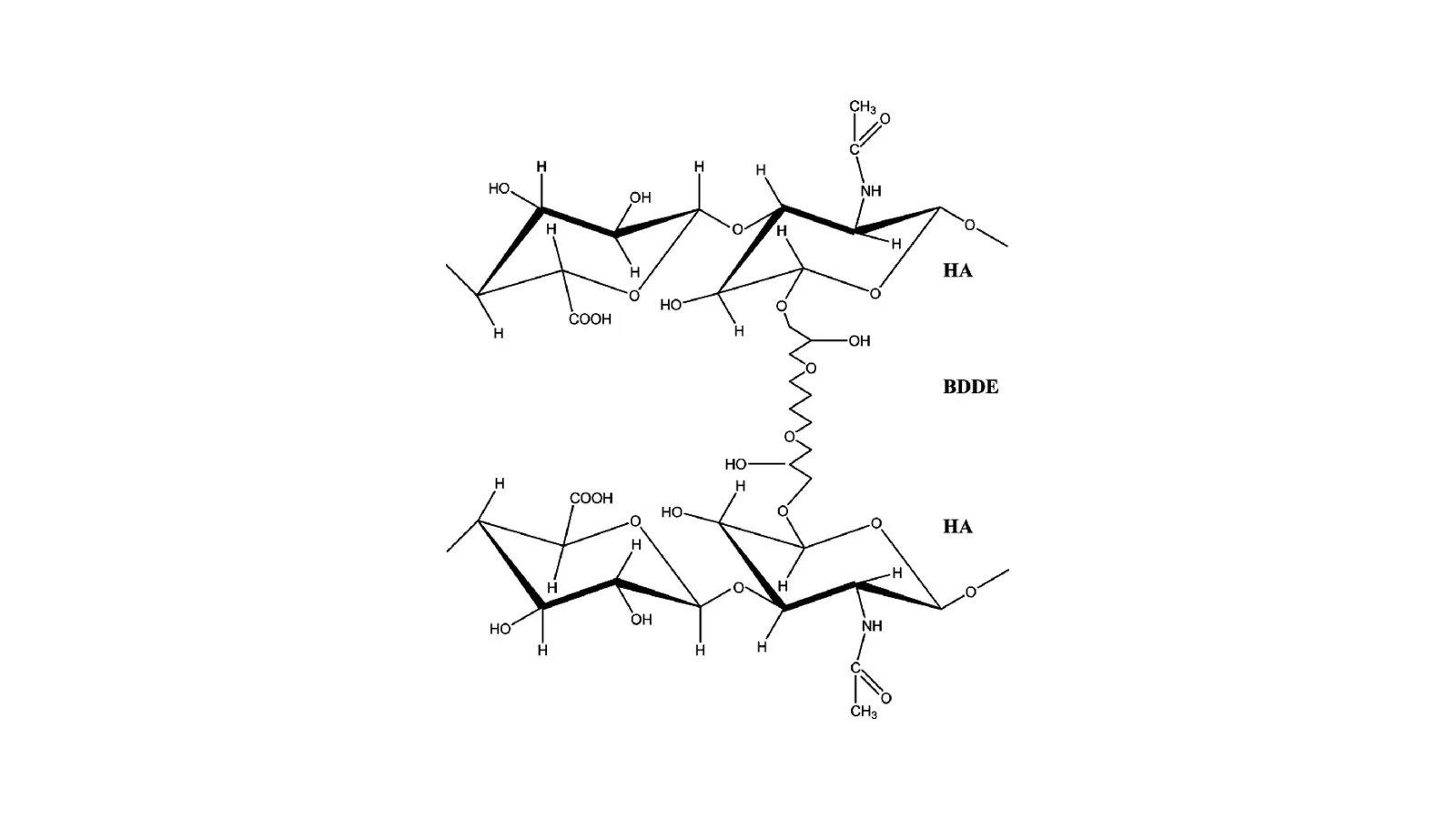
- Ninaveli Exoleen: Formulated as a dual-vial system featuring 800mg of freeze-dried Ginseng Root Exosomes alongside moisture-preserving Mannitol and Trehalose in Vial 1, paired with an activating liquid in Vial 2 containing Polynucleotides (PN), Hyaluronic Acid (HA), Proteoglycan, Peptides, and Tranexamic Acid.
Clinical Study References
- Cho, E. G., et al. (2021). Panax ginseng-derived extracellular vesicles facilitate anti-senescence effects in human skin cells. Journal of Ginseng Research, 45(2), 291-299.Read Study on PubMed (DOI: 10.1016/j.jgr.2020.08.003)
- Kim, M. K., et al. (2018). Plant-derived exosome-like nanoparticles: A concise review on their isolation, characterization, and biological functions in dermatology. International Journal of Molecular Sciences, 19(10), 2932.Read Study on PubMed (DOI: 10.3390/ijms19102932)
- Zhang, M., et al. (2016). Plant-derived extracellular vesicles and their biological applications in nanomedicine. Nanomedicine, 11(14), 1859-1867.Read Study on PubMed (DOI: 10.2217/nnm-2016-0129)
Frequently asked questions
How do Botanical Exosomes specifically differ from human or animal-derived exosomes?
Botanical Exosomes differ primarily in their biological origin, safety profile, and active cargo. Human or animal-derived exosomes are isolated from cell culture media or tissues and carry mammalian signal proteins. In contrast, Botanical Exosomes are isolated directly from plants (such as Ginseng Root). They are completely free from human viral or immunogenic contamination risks while carrying natural plant lipids, antioxidants, and secondary metabolites that support skin vitality without triggering foreign immune responses.
What role does freeze-drying play in preserving Botanical Exosomes?
Freeze-drying (lyophilization) is critical for maintaining the long-term structural integrity and biological activity of Botanical Exosomes. Because extracellular vesicles are membrane-bound lipid structures suspended in liquid, liquid formulations can undergo gradual degradation, membrane collapse, or loss of internal cargo over time. Freeze-drying isolates the exosomes in a stable, moisture-free powder alongside protective sugars (like Mannitol and Trehalose), locking in their vitality until the exact moment of activation with a liquid vial.
Which Ninaveli products incorporate Botanical Exosomes?
Ninaveli incorporates bio-grade Ginseng Root Exosomes into Ninaveli Exoleen. In Ninaveli Exoleen, 800mg of highly concentrated Ginseng Root Exosomes are preserved in freeze-dried Vial 1 alongside Mannitol and Trehalose to maintain stability until activated by Vial 2 (containing PN, HA, Proteoglycans, Peptides, and Tranexamic Acid). Botanical Exosomes are praised for their ability to function as efficient bio-nanocarriers that deliver revitalizing plant compounds directly to depleted skin cells, protect against environmental photo-fatigue, and restore a resilient, glowing complexion.
Featured in

Disclaimer: The content of the Ninaveli Knowledge Hub is for informational and educational purposes only. It is not a substitute for professional medical advice, diagnosis or treatment. Always seek the advice of a qualified healthcare provider with any questions you may have regarding a medical condition or before starting any new treatment. Ninaveli does not guarantee the accuracy, completeness or timeliness of the information and assumes no liability for any actions taken based on it.