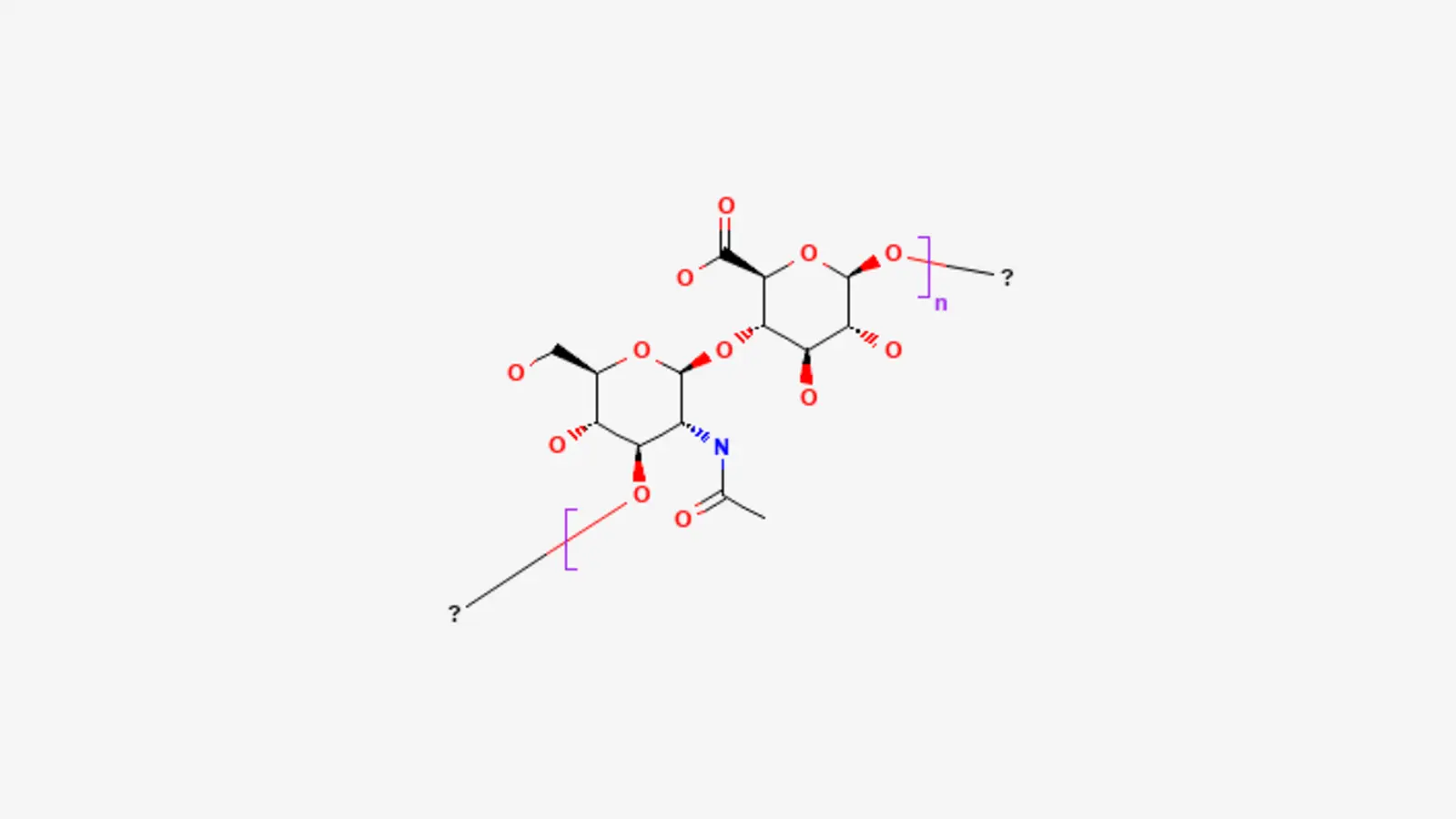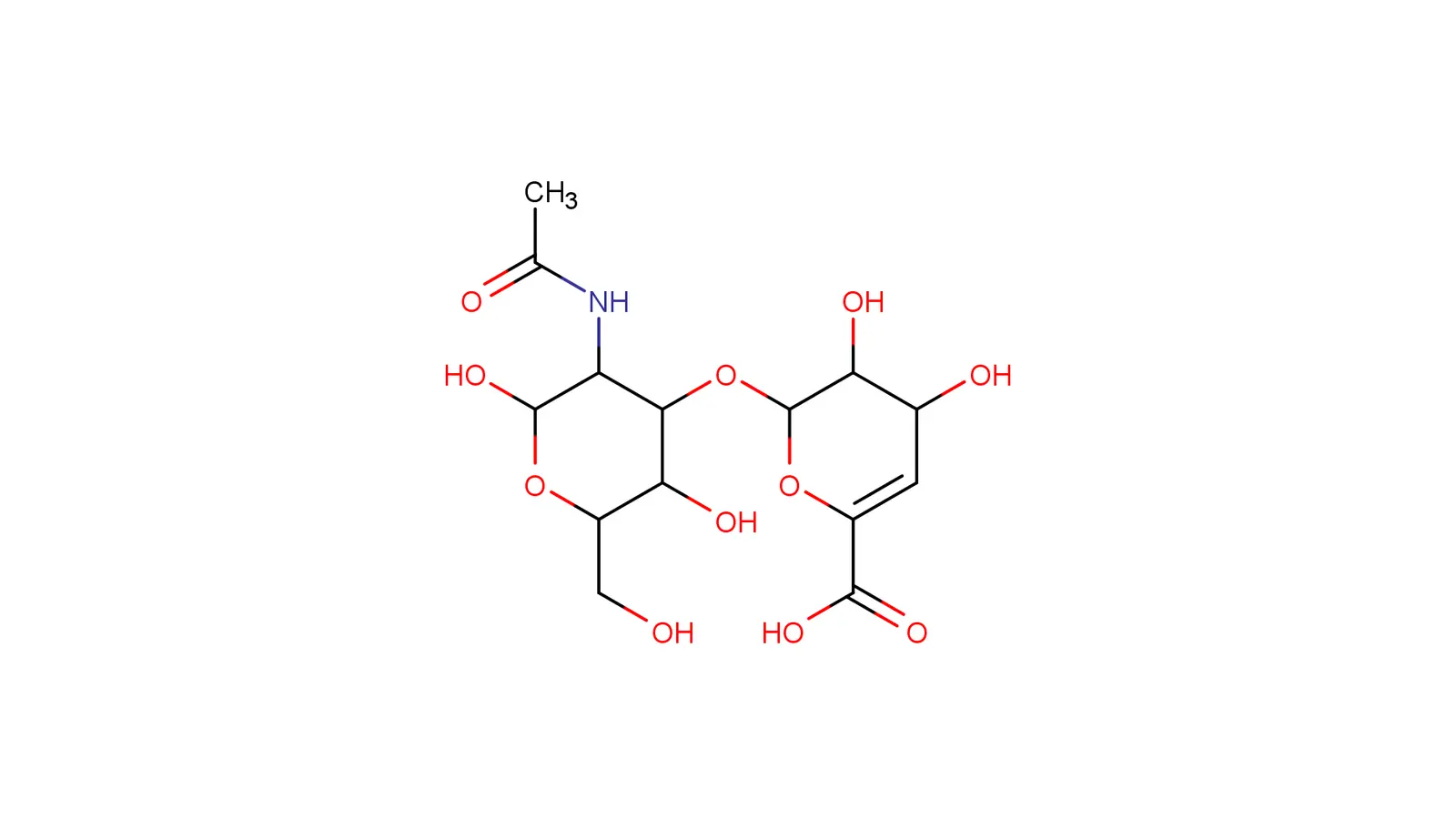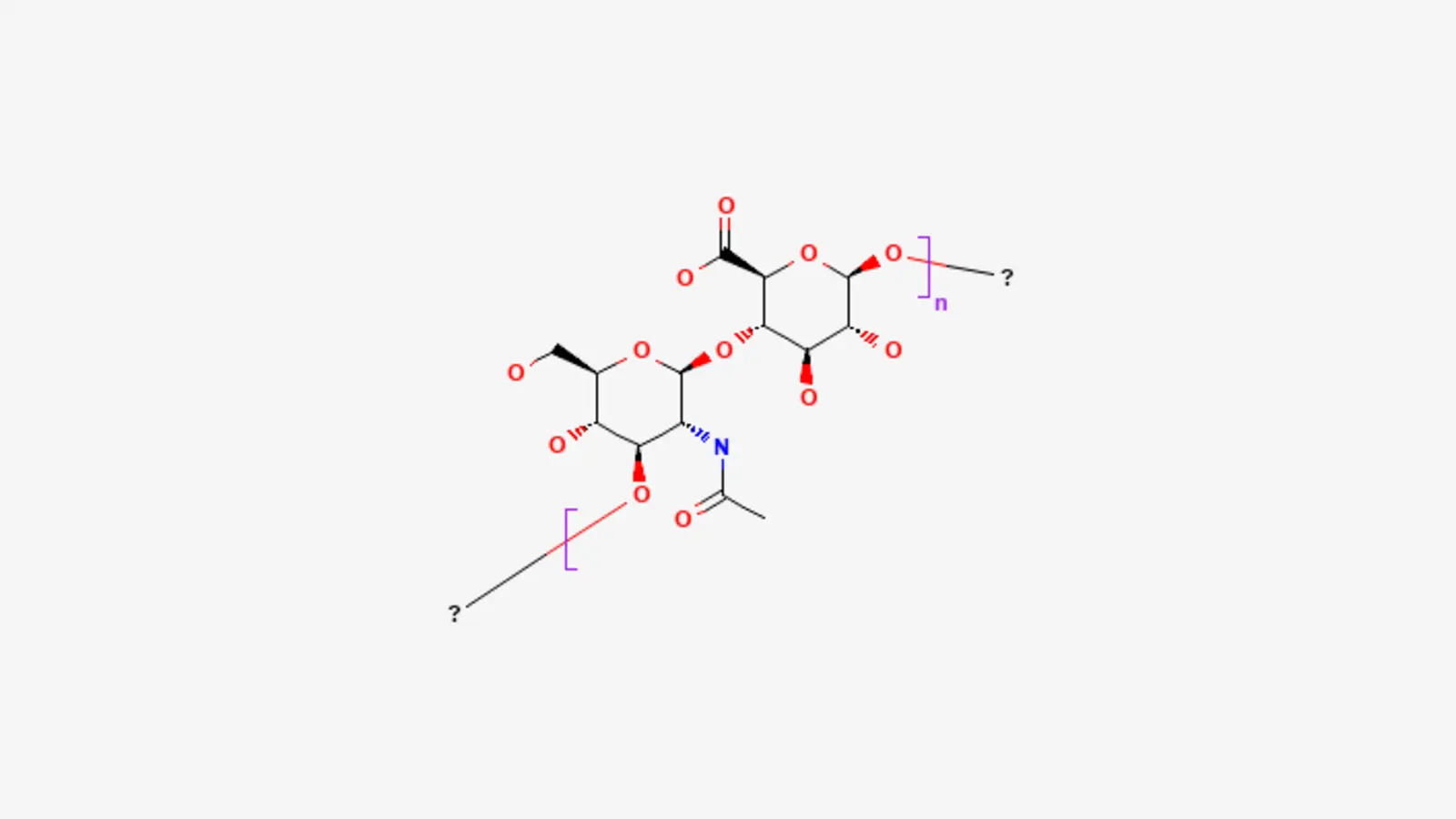
{"id":528,"date":"2026-07-21T13:19:19","date_gmt":"2026-07-21T12:19:19","guid":{"rendered":"https:\/\/ninaveli.com\/knowledge-hub\/?p=528"},"modified":"2026-07-23T12:45:43","modified_gmt":"2026-07-23T11:45:43","slug":"precision-micro-filling-how-3d-network-ha-smooths-periorial-verticle-creases","status":"publish","type":"post","link":"https:\/\/ninaveli.com\/knowledge-hub\/precision-micro-filling-how-3d-network-ha-smooths-periorial-verticle-creases\/","title":{"rendered":"Precision Micro-Filling: How 3D-Network HA Smooths Periorial Verticle Creases"},"content":{"rendered":"\n<p class=\"wp-block-paragraph\">Among all dynamic facial wrinkles, perioral vertical lines\u2014commonly known as &#8220;barcode lines&#8221; or &#8220;smoker&#8217;s lines&#8221;\u2014are notoriously difficult to address in non-surgical aesthetics. These fine, parallel vertical creases etch directly into the upper and lower lip borders, extending across the vermilion border into the surrounding skin.<\/p>\n\n\n\n<p class=\"wp-block-paragraph\">Traditional correction relied heavily on injecting crosslinked hyaluronic acid (HA) dermal fillers directly into the lines. However, because the perioral skin is extremely thin and under constant mechanical stress from speaking, chewing, and expression, traditional structural gels often create unnatural ridge lumps, bluish Tyndall shadows, or a &#8220;pouty&#8221; over-projected lip border.<\/p>\n\n\n\n<p class=\"wp-block-paragraph\">To smooth these shallow creases without altering facial dynamics or creating unnatural surface bumps, advanced aesthetic practices utilize <strong>Sodium Hyaluronate Crosspolymer<\/strong>\u2014a 3D-network, highly elastic crosslinked hyaluronic acid complex currently being invested heavily in by biotech companies such as <a href=\"https:\/\/ninaveli.com\">Ninaveli<\/a> and Merz Aesthetics.<\/p>\n\n\n\n<p class=\"wp-block-paragraph\">Below is an analysis of perioral line formation, the biophysics of 3D-network HA, and clinical protocols for precision smoothing.<\/p>\n\n\n\n<h2 class=\"wp-block-heading\">1. The Perioral Landscape: Why Vertical Lip Lines Etch Deeply<\/h2>\n\n\n\n<p class=\"wp-block-paragraph\">Perioral vertical creasing is driven by a combination of high muscular activity, thin tissue coverage, and rapid dermal thinning:<\/p>\n\n\n\n<ul class=\"wp-block-list\">\n<li><strong>Orbicularis Oris Hyper-Activity:<\/strong> The ring-like <em>orbicularis oris<\/em> muscle encircles the mouth. Every time a patient puckers, speaks, or drinks through a straw, this muscle contracts radially, folding the overlying skin into tight vertical pleats.<\/li>\n\n\n\n<li><strong>Minimal Subcutaneous Padding:<\/strong> The skin surrounding the lips possesses virtually no underlying fat padding. The epidermis sits directly over thin dermal collagen anchored to muscle fibers.<\/li>\n\n\n\n<li><strong>Estrogen Deficit &amp; Dermal Thinning:<\/strong> The perioral zone is rich in estrogen receptors. As hormonal levels drop with age, dermal collagen Type I and endogenous hyaluronic acid drop precipitously, causing the skin envelope to thin and transform dynamic pucker lines into permanently etched static wrinkles.<\/li>\n<\/ul>\n\n\n\n<p class=\"wp-block-paragraph\">When high-viscosity structural fillers are placed into these superficial dermal creases, the rigid gel resists muscular movement. This forces the product into small lumps or causes it to migrate upward into the upper lip, exacerbating perioral heaviness.<\/p>\n\n\n\n<h2 class=\"wp-block-heading\">2. The Biomechanical Solution: Sodium Hyaluronate Crosspolymer<\/h2>\n\n\n\n<p class=\"wp-block-paragraph\"><strong>Sodium Hyaluronate Crosspolymer<\/strong> is a chemically modified polymer where individual hyaluronic acid chains are crosslinked into a flexible, three-dimensional (3D) mesh network.<sup><\/sup><\/p>\n\n\n\n<p class=\"wp-block-paragraph\">Unlike traditional crosslinked dermal fillers\u2014which consist of dense, discrete gel particles suspended in fluid\u2014a 3D Crosspolymer forms a continuous, highly elastic matrix.<\/p>\n\n\n\n<h3 class=\"wp-block-heading\">A. High Elasticity with Low Viscosity<\/h3>\n\n\n\n<p class=\"wp-block-paragraph\">The 3D mesh architecture gives Crosspolymer exceptional <strong>elasticity<\/strong> (G&#8217;) while maintaining a low, fluid-like viscosity. When micro-injected superficially or delivered via transdermal micro-channeling into the fine vertical creases, the material flows effortlessly through the upper papillary dermis. It spreads in a smooth, continuous layer rather than pooling into hard, localized beads.<\/p>\n\n\n\n<h3 class=\"wp-block-heading\">B. Enzymatic Resistance &amp; Extended Moisture Reservoir<\/h3>\n\n\n\n<p class=\"wp-block-paragraph\">Endogenous hyaluronidase enzymes rapidly degrade standard non-crosslinked HA within 24 to 48 hours. In a Crosspolymer configuration, the internal crosslinks physically shield the HA backbone from enzymatic cleavage. This creates a long-lasting, water-binding &#8220;micro-sponge&#8221; within the perioral dermis that continuously plumps the base of the vertical crease over extended periods.<\/p>\n\n\n\n<h3 class=\"wp-block-heading\">C. Refractive Index Matching (No Tyndall Effect)<\/h3>\n\n\n\n<p class=\"wp-block-paragraph\">Because the 3D Crosspolymer network binds water uniformly throughout its lattice, its light-refractive index matches that of human dermal fluid. When placed in the superficial papillary dermis directly beneath fine barcode lines, light passes cleanly through the polymer without scattering, completely eliminating the bluish Tyndall shadow typical of traditional fillers.<\/p>\n\n\n\n<h2 class=\"wp-block-heading\">3. Clinical Evidence: What the Science Confirms<\/h2>\n\n\n\n<h3 class=\"wp-block-heading\">1. Extended Dermal Hydration and Barrier Protection<\/h3>\n\n\n\n<p class=\"wp-block-paragraph\">According to a comparative biochemical study published in <em>PMC<\/em>, <strong>&#8220;Hyaluronic Acid in Topical Applications: The Various Forms and Biological Effects,&#8221;<\/strong> crosslinked sodium hyaluronate polymers demonstrate vastly superior water-retention stability compared to standard linear HA.<\/p>\n\n\n\n<p class=\"wp-block-paragraph\">The research confirmed that the <strong>3D Crosspolymer network forms a flexible, viscoelastic hydrogel shield that reduces transepidermal water loss (TEWL) and maintains deep stratum corneum hydration for up to 5 times longer<\/strong> than non-crosslinked hyaluronic acid.<sup><\/sup> This prolonged fluid retention provides continuous micro-cushioning beneath shallow expression lines.<\/p>\n\n\n\n<h3 class=\"wp-block-heading\">2. Clinical Reduction in Superficial Wrinkle Depth<\/h3>\n\n\n\n<p class=\"wp-block-paragraph\">In a multi-center clinical evaluation published in <em>PMC<\/em>, <strong>&#8220;Evaluations of the Efficacy and Safety of a Crosslinked Hyaluronic Acid Formulation,&#8221;<\/strong> researchers tracked subjects receiving superficial intradermal crosslinked HA for fine perioral and periorbital lines.<\/p>\n\n\n\n<p class=\"wp-block-paragraph\">Objective profilometry and 3D skin surface imaging demonstrated a <strong>statistically significant reduction in fine line depth and skin roughness<\/strong> within 7 to 14 days post-treatment. The clinical evaluators confirmed that the 3D Crosspolymer integrated smoothly into the upper dermal matrix, restoring surface smoothness without causing palpable nodules, tissue distortion, or vascular compromise.<\/p>\n\n\n\n<h2 class=\"wp-block-heading\">4. Strategic Summary<\/h2>\n\n\n\n<p class=\"wp-block-paragraph\">Smoothing perioral vertical &#8220;barcode&#8221; lines requires an active ingredient that can cushion thin skin without forming rigid bumps or altering lip movement. Sodium Hyaluronate Crosspolymer provides the ideal biomechanical solution.<sup><\/sup> By deploying a 3D-network mesh that spreads evenly through the upper dermis, clinicians can fill shallow vertical creases, restore moisture to the perioral border, and achieve a soft, natural finish.<\/p>\n\n\n\n<h3 class=\"wp-block-heading\">Study Citations &amp; References<\/h3>\n\n\n\n<ul class=\"wp-block-list\">\n<li><strong>Study 1 (Topical &amp; Intradermal Crosspolymer Mechanics):<\/strong> <em>Hyaluronic Acid in Topical Applications: The Various Forms and Biological Effects of a Hero Molecule in the Cosmetics Industry.<\/em>URL: <a href=\"https:\/\/pmc.ncbi.nlm.nih.gov\/articles\/PMC12731180\/\" target=\"_blank\" rel=\"noreferrer noopener\">https:\/\/pmc.ncbi.nlm.nih.gov\/articles\/PMC12731180\/<\/a><\/li>\n\n\n\n<li><strong>Study 2 (3D Crosspolymer Patent &amp; Viscoelastic Data):<\/strong> <em>Composition comprising a crosslinked hyaluronic acid (HA) in combination with a low-molecular HA.<\/em>URL: <a href=\"https:\/\/patents.google.com\/patent\/WO2018122344A1\/en\" target=\"_blank\" rel=\"noreferrer noopener\">https:\/\/patents.google.com\/patent\/WO2018122344A1\/en<\/a><\/li>\n\n\n\n<li><strong>Study 3 (Molecular Weight Variations &amp; Skin Penetration):<\/strong> <em>Comparative Analysis of Hyaluronic Acid with Different Molecular Weights.<\/em>URL: <a href=\"https:\/\/www.stanfordchem.com\/comparative-analysis-of-hyaluronic-acid-with-different-molecular-weights.html\" target=\"_blank\" rel=\"noreferrer noopener\">https:\/\/www.stanfordchem.com\/comparative-analysis-of-hyaluronic-acid-with-different-molecular-weights.html<\/a><\/li>\n<\/ul>\n\n\n\n<h2 class=\"wp-block-heading\">Frequently Asked Questions<\/h2>\n\n\n<div class=\"wp-block-uagb-faq uagb-faq__outer-wrap uagb-block-2f966ad8 uagb-faq-icon-row uagb-faq-layout-accordion uagb-faq-expand-first-true uagb-faq-inactive-other-true uagb-faq__wrap uagb-buttons-layout-wrap uagb-faq-equal-height     \" data-faqtoggle=\"true\" role=\"tablist\"><div class=\"wp-block-uagb-faq-child uagb-faq-child__outer-wrap uagb-faq-item uagb-block-0e99e902 \" role=\"tab\" tabindex=\"0\"><div class=\"uagb-faq-questions-button uagb-faq-questions\">\t\t\t<span class=\"uagb-icon uagb-faq-icon-wrap\">\n\t\t\t\t\t\t\t\t<svg xmlns=\"https:\/\/www.w3.org\/2000\/svg\" viewBox= \"0 0 448 512\"><path d=\"M432 256c0 17.69-14.33 32.01-32 32.01H256v144c0 17.69-14.33 31.99-32 31.99s-32-14.3-32-31.99v-144H48c-17.67 0-32-14.32-32-32.01s14.33-31.99 32-31.99H192v-144c0-17.69 14.33-32.01 32-32.01s32 14.32 32 32.01v144h144C417.7 224 432 238.3 432 256z\"><\/path><\/svg>\n\t\t\t\t\t\t\t<\/span>\n\t\t\t\t\t\t<span class=\"uagb-icon-active uagb-faq-icon-wrap\">\n\t\t\t\t\t\t\t\t<svg xmlns=\"https:\/\/www.w3.org\/2000\/svg\" viewBox= \"0 0 448 512\"><path d=\"M400 288h-352c-17.69 0-32-14.32-32-32.01s14.31-31.99 32-31.99h352c17.69 0 32 14.3 32 31.99S417.7 288 400 288z\"><\/path><\/svg>\n\t\t\t\t\t\t\t<\/span>\n\t\t\t<span class=\"uagb-question\">How does Sodium Hyaluronate Crosspolymer differ from standard Hyaluronic Acid in perioral treatments?<\/span><\/div><div class=\"uagb-faq-content\"><p>Standard non-crosslinked Hyaluronic Acid consists of single, linear chains that are rapidly broken down by native body enzymes (hyaluronidase) within 24 to 48 hours. While standard HA provides immediate surface hydration, it cannot maintain structural support in dynamic movement zones.<br><br><strong>Sodium Hyaluronate Crosspolymer<\/strong> features a 3D-network architecture where individual HA chains are chemically bound together into a flexible mesh. This mesh resists enzymatic degradation, allowing it to act as a durable micro-sponge that cushions and fills fine vertical lines over an extended timeframe without breaking down prematurely.<\/p><\/div><\/div><div class=\"wp-block-uagb-faq-child uagb-faq-child__outer-wrap uagb-faq-item uagb-block-2315f111 \" role=\"tab\" tabindex=\"0\"><div class=\"uagb-faq-questions-button uagb-faq-questions\">\t\t\t<span class=\"uagb-icon uagb-faq-icon-wrap\">\n\t\t\t\t\t\t\t\t<svg xmlns=\"https:\/\/www.w3.org\/2000\/svg\" viewBox= \"0 0 448 512\"><path d=\"M432 256c0 17.69-14.33 32.01-32 32.01H256v144c0 17.69-14.33 31.99-32 31.99s-32-14.3-32-31.99v-144H48c-17.67 0-32-14.32-32-32.01s14.33-31.99 32-31.99H192v-144c0-17.69 14.33-32.01 32-32.01s32 14.32 32 32.01v144h144C417.7 224 432 238.3 432 256z\"><\/path><\/svg>\n\t\t\t\t\t\t\t<\/span>\n\t\t\t\t\t\t<span class=\"uagb-icon-active uagb-faq-icon-wrap\">\n\t\t\t\t\t\t\t\t<svg xmlns=\"https:\/\/www.w3.org\/2000\/svg\" viewBox= \"0 0 448 512\"><path d=\"M400 288h-352c-17.69 0-32-14.32-32-32.01s14.31-31.99 32-31.99h352c17.69 0 32 14.3 32 31.99S417.7 288 400 288z\"><\/path><\/svg>\n\t\t\t\t\t\t\t<\/span>\n\t\t\t<span class=\"uagb-question\">Why doesn&#8217;t Sodium Hyaluronate Crosspolymer create bluish shadows (the Tyndall effect) around the lips?<\/span><\/div><div class=\"uagb-faq-content\"><p>The Tyndall effect occurs when light reflects off dense, discrete gel particles placed too superficially in thin skin, scattering blue light waves back to the surface and creating a bruise-like shadow.<br><br>Sodium Hyaluronate Crosspolymer does not consist of rigid, dense gel particles. Because it forms a uniform, water-rich 3D lattice, its refractive index matches natural human tissue fluid. Light passes through the polymer cleanly rather than scattering, ensuring that even superficial placement in ultra-thin perioral skin looks entirely natural under all lighting conditions.<\/p><\/div><\/div><div class=\"wp-block-uagb-faq-child uagb-faq-child__outer-wrap uagb-faq-item uagb-block-1cd4014e \" role=\"tab\" tabindex=\"0\"><div class=\"uagb-faq-questions-button uagb-faq-questions\">\t\t\t<span class=\"uagb-icon uagb-faq-icon-wrap\">\n\t\t\t\t\t\t\t\t<svg xmlns=\"https:\/\/www.w3.org\/2000\/svg\" viewBox= \"0 0 448 512\"><path d=\"M432 256c0 17.69-14.33 32.01-32 32.01H256v144c0 17.69-14.33 31.99-32 31.99s-32-14.3-32-31.99v-144H48c-17.67 0-32-14.32-32-32.01s14.33-31.99 32-31.99H192v-144c0-17.69 14.33-32.01 32-32.01s32 14.32 32 32.01v144h144C417.7 224 432 238.3 432 256z\"><\/path><\/svg>\n\t\t\t\t\t\t\t<\/span>\n\t\t\t\t\t\t<span class=\"uagb-icon-active uagb-faq-icon-wrap\">\n\t\t\t\t\t\t\t\t<svg xmlns=\"https:\/\/www.w3.org\/2000\/svg\" viewBox= \"0 0 448 512\"><path d=\"M400 288h-352c-17.69 0-32-14.32-32-32.01s14.31-31.99 32-31.99h352c17.69 0 32 14.3 32 31.99S417.7 288 400 288z\"><\/path><\/svg>\n\t\t\t\t\t\t\t<\/span>\n\t\t\t<span class=\"uagb-question\">Can Sodium Hyaluronate Crosspolymer be combined with neuromodulators (Botox) for barcode lines?<\/span><\/div><div class=\"uagb-faq-content\"><p>Yes, combining 3D Crosspolymer formulations with micro-doses of neuromodulators is considered a gold-standard approach for stubborn perioral lines. A tiny dose of a neuromodulator relaxes the hyper-active <em>orbicularis oris<\/em> muscle, reducing the repetitive pinching motion that creates the fold.<br><br>Simultaneously, the Sodium Hyaluronate Crosspolymer restores fluid volume and smooths the static crease already etched into the skin. Relaxing the muscle while cushioning the skin delivers immediate surface smoothing and prevents new creases from forming.<\/p><\/div><\/div><\/div>\n\n\n<p class=\"wp-block-paragraph\"><em><strong><em>Disclaimer:<\/em><\/strong><em>&nbsp;The content provided in the Ninaveli Knowledge Hub is for informational and educational purposes only. This content is not intended to be a substitute for professional medical advice, diagnosis, or treatment and should not be used as such. Always seek the advice of a qualified healthcare provider or dermatologist with any questions you may have regarding a medical condition or before starting any new skincare regimen. Ninaveli does not guarantee the accuracy, completeness, or timeliness of the information provided and assumes no liability for any actions taken based on this content.<\/em><\/em><\/p>\n","protected":false},"excerpt":{"rendered":"<p>Among all dynamic facial wrinkles, perioral vertical lines\u2014commonly known as &#8220;barcode lines&#8221; or &#8220;smoker&#8217;s lines&#8221;\u2014are notoriously difficult to address in non-surgical aesthetics. These fine, parallel vertical creases etch directly into the upper and lower lip borders, extending across the vermilion border into the surrounding skin. Traditional correction relied heavily on injecting crosslinked hyaluronic acid (HA) [&hellip;]<\/p>\n","protected":false},"author":1,"featured_media":529,"comment_status":"closed","ping_status":"","sticky":false,"template":"","format":"standard","meta":{"_uag_custom_page_level_css":"","_swt_meta_header_display":false,"_swt_meta_footer_display":false,"_swt_meta_site_title_display":false,"_swt_meta_sticky_header":false,"_swt_meta_transparent_header":false,"footnotes":""},"categories":[7],"tags":[],"class_list":["post-528","post","type-post","status-publish","format-standard","has-post-thumbnail","hentry","category-articles"],"uagb_featured_image_src":{"full":["https:\/\/ninaveli.com\/knowledge-hub\/wp-content\/uploads\/2026\/07\/lots_of_molecules.webp",1030,580,false],"thumbnail":["https:\/\/ninaveli.com\/knowledge-hub\/wp-content\/uploads\/2026\/07\/lots_of_molecules-150x150.webp",150,150,true],"medium":["https:\/\/ninaveli.com\/knowledge-hub\/wp-content\/uploads\/2026\/07\/lots_of_molecules-300x169.webp",300,169,true],"medium_large":["https:\/\/ninaveli.com\/knowledge-hub\/wp-content\/uploads\/2026\/07\/lots_of_molecules-768x432.webp",768,432,true],"large":["https:\/\/ninaveli.com\/knowledge-hub\/wp-content\/uploads\/2026\/07\/lots_of_molecules-1024x577.webp",1024,577,true],"1536x1536":["https:\/\/ninaveli.com\/knowledge-hub\/wp-content\/uploads\/2026\/07\/lots_of_molecules.webp",1030,580,false],"2048x2048":["https:\/\/ninaveli.com\/knowledge-hub\/wp-content\/uploads\/2026\/07\/lots_of_molecules.webp",1030,580,false]},"uagb_author_info":{"display_name":"Ninaveli","author_link":"https:\/\/ninaveli.com\/knowledge-hub\/author\/daniel\/"},"uagb_comment_info":0,"uagb_excerpt":"Among all dynamic facial wrinkles, perioral vertical lines\u2014commonly known as &#8220;barcode lines&#8221; or &#8220;smoker&#8217;s lines&#8221;\u2014are notoriously difficult to address in non-surgical aesthetics. These fine, parallel vertical creases etch directly into the upper and lower lip borders, extending across the vermilion border into the surrounding skin. Traditional correction relied heavily on injecting crosslinked hyaluronic acid (HA)&hellip;","_links":{"self":[{"href":"https:\/\/ninaveli.com\/knowledge-hub\/wp-json\/wp\/v2\/posts\/528","targetHints":{"allow":["GET"]}}],"collection":[{"href":"https:\/\/ninaveli.com\/knowledge-hub\/wp-json\/wp\/v2\/posts"}],"about":[{"href":"https:\/\/ninaveli.com\/knowledge-hub\/wp-json\/wp\/v2\/types\/post"}],"author":[{"embeddable":true,"href":"https:\/\/ninaveli.com\/knowledge-hub\/wp-json\/wp\/v2\/users\/1"}],"replies":[{"embeddable":true,"href":"https:\/\/ninaveli.com\/knowledge-hub\/wp-json\/wp\/v2\/comments?post=528"}],"version-history":[{"count":4,"href":"https:\/\/ninaveli.com\/knowledge-hub\/wp-json\/wp\/v2\/posts\/528\/revisions"}],"predecessor-version":[{"id":656,"href":"https:\/\/ninaveli.com\/knowledge-hub\/wp-json\/wp\/v2\/posts\/528\/revisions\/656"}],"wp:featuredmedia":[{"embeddable":true,"href":"https:\/\/ninaveli.com\/knowledge-hub\/wp-json\/wp\/v2\/media\/529"}],"wp:attachment":[{"href":"https:\/\/ninaveli.com\/knowledge-hub\/wp-json\/wp\/v2\/media?parent=528"}],"wp:term":[{"taxonomy":"category","embeddable":true,"href":"https:\/\/ninaveli.com\/knowledge-hub\/wp-json\/wp\/v2\/categories?post=528"},{"taxonomy":"post_tag","embeddable":true,"href":"https:\/\/ninaveli.com\/knowledge-hub\/wp-json\/wp\/v2\/tags?post=528"}],"curies":[{"name":"wp","href":"https:\/\/api.w.org\/{rel}","templated":true}]}}