
Quick Facts & Executive Summary
| Attribute | Specification |
| INCI Name | Oligopeptide / Polypeptide Complex |
| Ingredient Class | Bio-Active Short-Chain Amino Acid Polymers / Matrikines / Messenger Peptides |
| Primary Biological Target | Dermal Fibroblast Receptors, TGF-beta Signaling & Neuromuscular Junctions |
| Primary Aesthetic Outcome | Structural Matrix Repair, Wrinkle Depth Reduction & Collagen Synthesis |
Peptides are short chains of amino acids linked by peptide bonds that function as essential biological messengers, cell-signaling agents, and structural repair factors in regenerative aesthetics. When formulated into advanced topical and intradermal delivery systems, Peptides typically stimulate endogenous extracellular matrix production, typically modulate neurotransmitter release to soften expression lines, and typically reinforce structural skin density.
What are Peptides? (Definition & Origin)
Peptides are precise oligomers consisting of two to fifty amino acids joined via covalent amide (peptide) bonds. Differing from full-length proteins by their lower molecular weight and smaller spatial size, Peptides possess unique cell-signaling capabilities that allow them to bind to specific cell-surface receptors and initiate targeted biological cascades.
In advanced dermatological science, synthetic and recombinant Peptides are bio-engineered with extreme precision. Through advanced solid-phase peptide synthesis (SPPS), customized amino acid sequences are produced to mimic naturally occurring human matrikines, growth factors, and regulatory hormones without biological impurities.
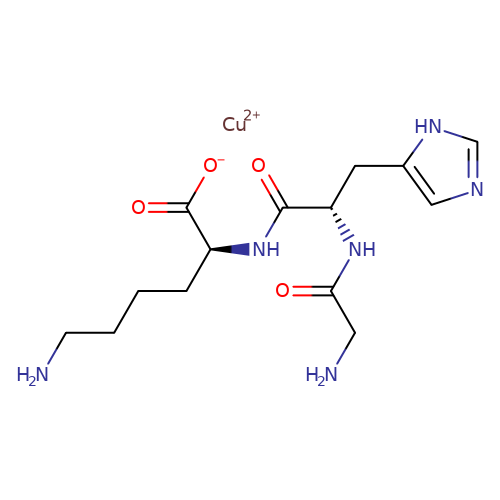
Because individual amino acid sequences dictate biological function, Peptides are broadly categorized into four primary functional classes: Signal Peptides (which trigger extracellular matrix synthesis), Carrier Peptides (which deliver essential trace elements like copper), Neurotransmitter-Inhibiting Peptides (which modulate facial micro-contractions), and Enzyme-Inhibitor Peptides (which prevent structural protein breakdown).
The Science & Cellular Mechanism of Action
Peptides operate at the cellular and molecular level through three primary physiological pathways:
- Receptor-Mediated Cell Signaling & Matrikine Activation: Signal peptides (such as Palmitoyl Pentapeptide-4 and Palmitoyl Tripeptide-1) act as synthetic matrikines—fragments that mimic collagen degradation products. When these sequence motifs bind to specific transmembrane receptors on dermal fibroblasts, they typically activate transforming growth factor-beta (TGF-beta) signaling pathways, upregulating the transcription of Type I, Type III, and Type IV collagen, fibronectin, and hyaluronic acid.
- Neuromuscular Modulation & Expression Line Softening: Neurotransmitter-inhibiting peptides (such as Acetyl Hexapeptide-8 and Pentapeptide-3) competitively target components of the SNARE (Soluble N-ethylmaleimide-sensitive factor Attachment Protein Receptor) complex. By inhibiting acetylcholine release at the neuromuscular junction, these sequences typically relax micro-contractions in facial muscle fibers, helping soften dynamic expression lines.
- Enzymatic Defense & Matrix Metalloproteinase (MMP) Inhibition: Enzyme-inhibiting peptides typically block the catalytic activity of collagenase, elastase, and matrix metalloproteinases (MMPs) triggered by UV radiation and inflammation. By downregulating enzymatic matrix degradation, Peptides typically preserve existing structural networks and prevent premature skin thinning.
Clinical Evidence & Direct Skin Impact
Because Peptides directly trigger cellular repair cascades and protect extracellular proteins, their inclusion in aesthetic formulations directly influences structural firmness and surface smoothness.
- Drives Collagen Synthesis & Matrix Density: Double-blind, placebo-controlled clinical trials demonstrate that targeted signal peptides typically induce a statistically significant upregulation in dermal collagen and elastin density, leading to measurable increases in dermal thickness and firmness.
- Visibly Reduces Wrinkle Depth & Smooths Texture: Clinical evaluation settings assessing photo-damaged skin show that topical formulations containing bio-active peptide complexes typically reduce wrinkle depth and volume within 4 to 8 weeks of consistent application.
- Accelerates Post-Procedure Tissue Recovery: In vitro and ex vivo models evaluating dermal fibroblast activity reveal that carrier and repair peptides typically accelerate keratinocyte migration and support rapid extracellular matrix restoration following micro-trauma.
Ninaveli’s Strategic Formulations
At Ninaveli, we incorporate high-purity Peptide complexes into our advanced regenerative aesthetic product range, specifically featured in the following signature formulation:
- Ninaveli Exoleen: Formulated with a bio-active Peptide complex alongside Polynucleotides (PN), Hyaluronic Acid (HA), Proteoglycan, and Tranexamic Acid in activating liquid vial 2.
Clinical Study References
- Lintner, K., & Peschard, O. (2000). Biologically active peptides: From the bench to the cosmetics market. International Journal of Cosmetic Science, 22(3), 207-218.Read Study on PubMed (DOI: 10.1046/j.1467-2494.2000.00016.x)
- Gorouhi, F., & Maibach, H. I. (2009). Role of topical peptides in preventing or treating aged skin. International Journal of Cosmetic Science, 31(5), 327-345.Read Study on PubMed (DOI: 10.1111/j.1467-2494.2009.00490.x)
- Schagen, S. K. (2017). Topical peptide treatments with effective anti-aging results. Cosmetics, 4(2), 16.Read Study on CrossRef (DOI: 10.3390/cosmetics4020016)
Frequently Asked Questions
Disclaimer: The content provided in the Ninaveli Knowledge Hub is for informational and educational purposes only. This content is not intended to be a substitute for professional medical advice, diagnosis, or treatment and should not be used as such. Always seek the advice of a qualified healthcare provider or dermatologist with any questions you may have regarding a medical condition or before starting any new skincare regimen. Ninaveli does not guarantee the accuracy, completeness, or timeliness of the information provided and assumes no liability for any actions taken based on this content.
