Quick Facts & Executive Summary
| Attribute | Specification |
| INCI Name | Nicotinamide Mononucleotide |
| Ingredient Class | Nucleotide / Pyridine Mononucleotide / Direct NAD+ Precursor |
| Primary Biological Target | NMNAT Enzymes, Intracellular NAD+ Pools & PARP DNA Repair Complexes |
| Primary Aesthetic Outcome | Structural Rejuvenation, Longevity Support & Mitochondrial Energetics |
NMN (Nicotinamide Mononucleotide) is a vital pyridine nucleotide that serves as the immediate, direct enzymatic precursor to Nicotinamide Adenine Dinucleotide (NAD+). In advanced regenerative aesthetics, NMN typically recharges declining cellular bioenergetics, typically activates genomic repair enzymes, and typically defends skin cells against premature senescence, photo-damage, and structural matrix degradation.
What is NMN? (Definition & Origin)
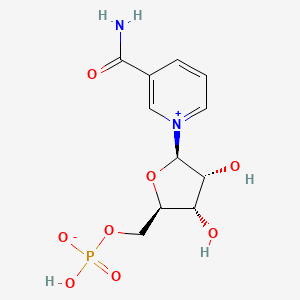
NMN (Nicotinamide Mononucleotide, C11H15N2O8P) is a naturally occurring nucleotide derived from ribose, nicotinamide, and phosphate. Unlike basic Vitamin B3 derivatives, NMN possesses a phosphorylated structure that positions it as the single final intermediate in the main salvage pathway of NAD+ synthesis.
Naturally present in trace amounts in foods like broccoli, cabbage, and avocado, high-purity NMN for clinical and advanced aesthetic applications is produced through state-of-the-art enzymatic bio-synthesis to guarantee supreme stability and cellular assimilation.
Because intracellular NAD+ levels decline precipitously with age and environmental stress, NMN typically acts as a high-octane longevity molecule. When delivered topically or in bio-available dermal systems, NMN typically crosses cell membranes via specialized transporters (such as Slc12a8) to rapidly replenish cellular energy reservoirs in active keratinocytes and dermal fibroblasts.
The Science & Cellular Mechanism of Action
NMN operates at the cellular and molecular level through three primary physiological pathways:
- Direct Enzymatic Conversion via NMNAT Enzymes: Upon entry into the cell cytoplasm, NMN bypasses early rate-limiting metabolic barriers (such as NAMPT). It is directly converted into NAD+ by nicotinamide mononucleotide adenylyltransferase (NMNAT) enzymes, rapidly elevating intracellular NAD+ concentrations.
- Activation of PARP-1 & Genomic Repair Mechanisms: Elevated NAD+ pools driven by NMN typically supply the necessary substrate for poly(ADP-ribose) polymerase-1 (PARP-1). This essential enzyme typically detects and repairs single-strand DNA breaks induced by UV radiation, oxidative stress, and environmental toxins.
- Sirtuin-Mediated Mitochondrial Bioenergetics: By restoring the intracellular NAD+/NADH ratio, NMN typically activates SIRT1 and SIRT3 enzymes. This pathway typically promotes mitochondrial biogenesis, suppresses pro-inflammatory nuclear factor kappa B (NF-kB) signaling, and typically enhances cellular ATP synthesis to sustain healthy matrix production.
Clinical Evidence & Direct Skin Impact
Because NMN directly drives intracellular NAD+ synthesis and fuels genomic repair pathways, its inclusion in aesthetic formulations directly influences skin longevity and structural resilience.
- Reverses Markers of Cellular Aging & Fatigue: Pre-clinical and clinical studies demonstrate that NMN administration typically restores youthful intracellular NAD+ levels, typically reversing mitochondrial dysfunction and revitalizing fatigued skin cells.
- Protects Against UV-Induced Photoaging & Senescence: Research evaluating dermal tissue under oxidative stress demonstrates that NMN typically mitigates UV-B-induced cellular damage, typically preserves cell viability, and typically prevents fibroblasts from entering premature senescence.
- Reinforces Extracellular Matrix & Skin Elasticity: Clinical evaluation settings show that topical formulations incorporating NMN typically support healthy fibroblast proliferation and collagen synthesis, typically promoting a visibly firmer complexion, improved elasticity, and refined texture.
Ninaveli’s Strategic Formulations
At Ninaveli, we incorporate high-purity NMN into our advanced regenerative aesthetic product range, specifically featured in the following signature formulations:
- Ninaveli NAD+ NMN: Formulated with freeze-dried NMN alongside NR in vial 1, paired with activating liquid vial 2 containing Hyaluronic Acid and Amino Acids.
- Ninaveli Classic NAD+ NMN: Formulated as a ready-to-use liquid formulation containing NMN, NAD+, NR, Polynucleotides (PN), and RNA (RN).
Clinical Study References
- Yoshino, J., et al. (2011). Nicotinamide mononucleotide, a key NAD+ intermediate, treats the pathophysiology of diet- and age-induced diabetes in mice. Cell Metabolism, 14(4), 528-536.Read Study on PubMed (DOI: 10.1016/j.cmet.2011.08.014)
- Groszio, A., et al. (2019). Slc12a8 is a nicotinamide mononucleotide transporter. Nature Metabolism, 1(1), 47-57.Read Study on PubMed (DOI: 10.1038/s42255-018-0009-4)
- Poddar, S. K., et al. (2019). Nicotinamide Mononucleotide (NMN) as an anti-aging health product—Promises and safety concerns. Biomolecules, 9(11), 724.Read Study on PubMed (DOI: 10.3390/biom9110724)
Frequently Asked Questions
Disclaimer: The content provided in the Ninaveli Knowledge Hub is for informational and educational purposes only. This content is not intended to be a substitute for professional medical advice, diagnosis, or treatment and should not be used as such. Always seek the advice of a qualified healthcare provider or dermatologist with any questions you may have regarding a medical condition or before starting any new skincare regimen. Ninaveli does not guarantee the accuracy, completeness, or timeliness of the information provided and assumes no liability for any actions taken based on this content.
