
Quick Facts & Executive Summary
| Attribute | Specification |
| INCI Name | Centella Asiatica Extract |
| Ingredient Class | Botanical Extract / Triterpenoid Saponin Complex / Anti-Inflammatory Active |
| Primary Biological Target | Macrophages, Fibroblast Growth Factors (FGF), & Pro-Inflammatory Cytokines |
| Primary Aesthetic Outcome | Accelerated Tissue Recovery, Redness Reduction & Extracellular Matrix Support |
Cica (Centella Asiatica) is a revered botanical active rich in bioactive triterpenoids that functions as a powerful anti-inflammatory, antioxidant, and tissue-regenerative compound in advanced aesthetics. When formulated into topical and post-procedure solutions, Cica typically calms acute cutaneous irritation, typically downregulates inflammatory cytokine cascades, and typically stimulates type I collagen synthesis to reinforce compromised skin barriers.
What is Cica? (Definition & Origin)
Cica refers to Centella Asiatica, a perennial herbaceous plant native to tropical wetland regions of Asia, Africa, and Oceania. Historically known as “Tiger Grass” due to wild animals rolling in it to soothe skin wounds, Cica has been utilized for centuries in traditional Ayurvedic and Asian medicine for its profound wound-healing and restorative properties.
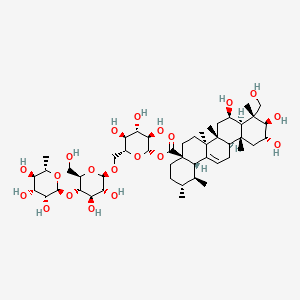
In modern regenerative aesthetics, high-purity Cica extracts are standardized to yield high concentrations of four primary bioactive triterpenoid saponins: Madecassoside, Asiaticoside, Madecassic Acid, and Asiatic Acid.
Because of its rich phytochemical composition, Cica typically penetrates the upper layers of the epidermis to interact directly with dermal cells. Rather than serving merely as a mild surface-soothing ingredient, Cica typically modulates key cellular signaling networks, mitigating oxidative stress and restoring physiological equilibrium in compromised skin tissue.
The Science & Cellular Mechanism of Action
Cica operates at the cellular and molecular level through three primary physiological pathways:
- Modulation of Pro-Inflammatory Cytokine Cascades: Cica triterpenoids—specifically Madecassoside and Asiaticoside—typically inhibit the expression of key inflammatory mediators, including Tumor Necrosis Factor-alpha (TNF-alpha), Interleukin-1 beta (IL-1beta), and Interleukin-6 (IL-6). By downregulating the NF-kB signaling pathway, Cica typically neutralizes acute cutaneous inflammation and typically reduces post-procedure erythema.
- Stimulation of Type I Collagen & Extracellular Matrix Synthesis: Asiaticoside typically triggers transforming growth factor-beta (TGF-beta) signaling in human dermal fibroblasts. This pathway typically upregulates gene expression for type I collagen and fibronectin, promoting structural extracellular matrix remodeling and accelerating natural dermal repair following micro-injuries.
- Antioxidant Defense & Microvascular Support: Cica extracts typically boost endogenous antioxidant enzyme levels, including superoxide dismutase (SOD) and glutathione peroxidase. Furthermore, Cica typically strengthens capillary wall integrity, improving microcirculation and nutrient delivery to regenerating skin tissue.
Clinical Evidence & Direct Skin Impact
Because Cica downregulates inflammatory responses and fuels collagen synthesis pathways, its inclusion in aesthetic formulations directly influences skin resilience and recovery speed.
- Accelerates Skin Barrier Healing & Re-Epithelialization: Clinical studies demonstrate that topically applied Centella Asiatica extracts typically increase wound tensile strength and accelerate re-epithelialization in damaged skin, showing a statistically significant reduction in healing time compared to untreated controls.
- Reduces Post-Procedure Redness & Cutaneous Irritation: In clinical evaluation settings assessing compromised or post-peel skin barriers, formulations containing Cica typically exhibited significant reductions in localized erythema, stinging, and transepidermal water loss within 24 to 48 hours.
- Enhances Skin Density & Vascular Elasticity: In vivo trials evaluating long-term topical application reveal that standardized Cica extracts typically increase microvascular perfusion, typically improve skin firmness, and typically reinforce overall dermal density in fragile skin.
Ninaveli’s Strategic Formulations
At Ninaveli, we incorporate high-purity Cica into our advanced restorative and post-procedure aesthetic product range, specifically featured in our signature aftercare serum, Ninaveli PDRN Pro Advanced Serum.
Clinical Study References
- Bylka, W., et al. (2013). Centella asiatica in cosmetology. Postepy Dermatologii i Alergologii, 30(1), 46-49.Read Study on PubMed (DOI: 10.5114/pdia.2013.33378)
- Ratz-Lyko, A., et al. (2016). Moisturizing and antiinflammatory properties of cosmetic formulations containing Centella asiatica extract. Indian Journal of Pharmaceutical Sciences, 78(1), 27-33.Read Study on PubMed (PMID: 27168678)
- Kim, W. J., et al. (2020). Madecassoside suppresses LPS-induced inflammatory response in keratinocytes. International Journal of Molecular Sciences, 21(12), 4213.Read Study on PubMed (DOI: 10.3390/ijms21124213)
Frequently Asked Questions
Disclaimer: The content provided in the Ninaveli Knowledge Hub is for informational and educational purposes only. This content is not intended to be a substitute for professional medical advice, diagnosis, or treatment and should not be used as such. Always seek the advice of a qualified healthcare provider or dermatologist with any questions you may have regarding a medical condition or before starting any new skincare regimen. Ninaveli does not guarantee the accuracy, completeness, or timeliness of the information provided and assumes no liability for any actions taken based on this content.
