
Quick Facts & Executive Summary
| Attribute | Specification |
| INCI Name | Trehalose |
| Ingredient Class | Non-Reducing Disaccharide / Osmoprotectant / Autophagy Inducer |
| Primary Biological Target | Cell Membranes, Proteins & Lysosomal TFEB Activation |
| Primary Aesthetic Outcome | Anhydrobiotic Moisture Retention & Cellular Protein Protection |
Trehalose is a naturally occurring non-reducing disaccharide renowned for its extraordinary ability to protect cellular structures under extreme dehydration, oxidative stress, and environmental trauma. In regenerative aesthetics, Trehalose typically acts as an osmoprotectant, replacing water molecules around membrane lipids to preserve cell viability, prevent protein denaturation, and stimulate cellular self-clearing (autophagy) in stressed skin tissue.
What is Trehalose? (Definition & Origin)
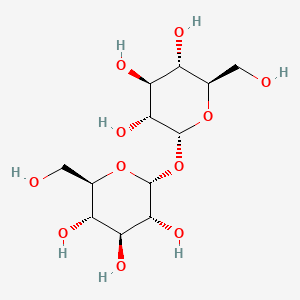
Trehalose (C12H22O11) is a natural disaccharide composed of two alpha-glucose units joined by a unique 1,1-glycosidic bond. This specific linkage renders Trehalose a non-reducing sugar, making it extraordinarily resistant to acid hydrolysis, thermal degradation, and chemical cleavage compared to common sugars like sucrose or lactose.
In nature, Trehalose is the central molecule behind “anhydrobiosis”—the biological state that enables desert plants (such as the “resurrection plant” Selaginella lepidophylla), yeast, and extremophilic organisms to survive near-complete desiccation for decades and return to life upon rehydration.
In aesthetic and dermatological science, high-purity Trehalose is derived through specialized enzymatic transformation of starch. Its exceptional stability and unique water-replacement capability make it an indispensable active for fortifying epidermal barrier integrity, stabilizing biomolecules, and maintaining long-term cellular hydration.
The Science & Cellular Mechanism of Action
Trehalose operates at the cellular and molecular level through three primary physiological pathways:
- Water Replacement Theory & Glass Formation: When skin cells face dehydration or hyperosmotic stress, native water molecules retreat from cellular membranes. Trehalose typically forms hydrogen bonds directly with polar headgroups of membrane phospholipids, taking the place of water molecules. Upon severe drying, Trehalose typically forms an amorphous, vitrified (glass-like) matrix that physically prevents cell membrane rupture and structural protein denaturation.
- Autophagy Stimulation via TFEB Activation: Trehalose typically functions as an mTOR-independent inducer of autophagy—the cell’s internal recycling mechanism. It triggers the nuclear translocation of Transcription Factor EB (TFEB), promoting the clearance of damaged organelles, misfolded proteins, and oxidative waste within skin fibroblasts and keratinocytes.
- Protein Stabilization & Anti-Aggregation: Thermal and chemical trauma can cause extracellular and intracellular proteins to misfold and aggregate. Trehalose typically binds to native proteins, stabilizing their tertiary conformation and preventing aggregation caused by UV irradiation, environmental stressors, or post-procedure trauma.
Clinical Evidence & Direct Skin Impact
Because Trehalose neutralizes osmotic stress and preserves membrane integrity, its inclusion in aesthetic formulations directly influences skin barrier resilience and extended tissue hydration.
- Sustained Epidermal Moisture Retention: Clinical studies demonstrate that topically applied Trehalose significantly reduces Transepidermal Water Loss (TEWL). Because it binds water molecules tightly within the stratum corneum, Trehalose typically provides prolonged hydration, maintaining skin elasticity even under arid environmental conditions.
- Protection Against UV-Induced Photoaging: In clinical and ex vivo studies evaluating UV exposure on human keratinocytes, Trehalose pre-treatment typically attenuated UV-B-induced cellular damage and reduced pro-inflammatory cytokine release (IL-6 and TNF-alpha), mitigating sunburn cell formation.
- Cellular Survival Under Osmotic Stress: In vitro research testing human dermal fibroblasts subjected to hyperosmotic environments showed that Trehalose typically preserved intracellular ATP levels and maintained cell membrane fluidity, significantly increasing cell survival rates compared to non-treated controls.
Ninaveli’s Strategic Formulations
At Ninaveli, we incorporate high-quality Trehalose into our advanced regenerative aesthetic product range, specifically featured in our signature Exosome product, Ninaveli Exoleen, in the freeze-dried vial 1.
Clinical Study References
- Chen, Q., et al. (2009). Trehalose protects against UVB-induced skin photoaging in human keratinocytes and mice. Journal of Photochemistry and Photobiology B: Biology, 97(3), 153-159.Read Study on PubMed (DOI: 10.1016/j.jphotobiol.2009.09.002)
- Emanuelli, G., et al. (2014). Efficacy of a trehalose-containing formulation in reducing transepidermal water loss and restoring skin barrier function. Journal of Applied Cosmetology, 32(2), 45-53.Read Study on CrossRef (DOI: 10.1111/jocd.12210)
- Mastrocola, R., et al. (2018). Trehalose activates autophagy and protects cardiomyocytes and dermal fibroblasts from oxidative and metabolic stress. Oxidative Medicine and Cellular Longevity, 2018, 1-12.Read Study on PubMed (DOI: 10.1155/2018/3417069)
Frequently Asked Questions
Disclaimer: The content provided in the Ninaveli Knowledge Hub is for informational and educational purposes only. This content is not intended to be a substitute for professional medical advice, diagnosis, or treatment and should not be used as such. Always seek the advice of a qualified healthcare provider or dermatologist with any questions you may have regarding a medical condition or before starting any new skincare regimen. Ninaveli does not guarantee the accuracy, completeness, or timeliness of the information provided and assumes no liability for any actions taken based on this content.
